 Request a quote
The Imperial Palaces of the Ming and Qing Dynasties
 Li Yufei
 Dec 25, 2025
As one of China’s first cultural heritage sites inscribed on the UNESCO World Heritage List, the Imperial Palaces of the Ming and Qing Dynasties represent the world’s largest and best-preserved ancient wooden architectural complex. Witnessing nearly 500 years of the rise and fall of China’s feudal dynasties, they embody profound historical and cultural connotations. Comprising the Palace Museum in Beijing (the Forbidden City) and the Mukden Palace in Shenyang, these two complexes served respectively as the core imperial residence of the Ming and Qing dynasties and the ancestral palace of the Qing rulers beyond the Shanhai Pass, collectively standing as the pinnacle of ancient Chinese imperial architecture.
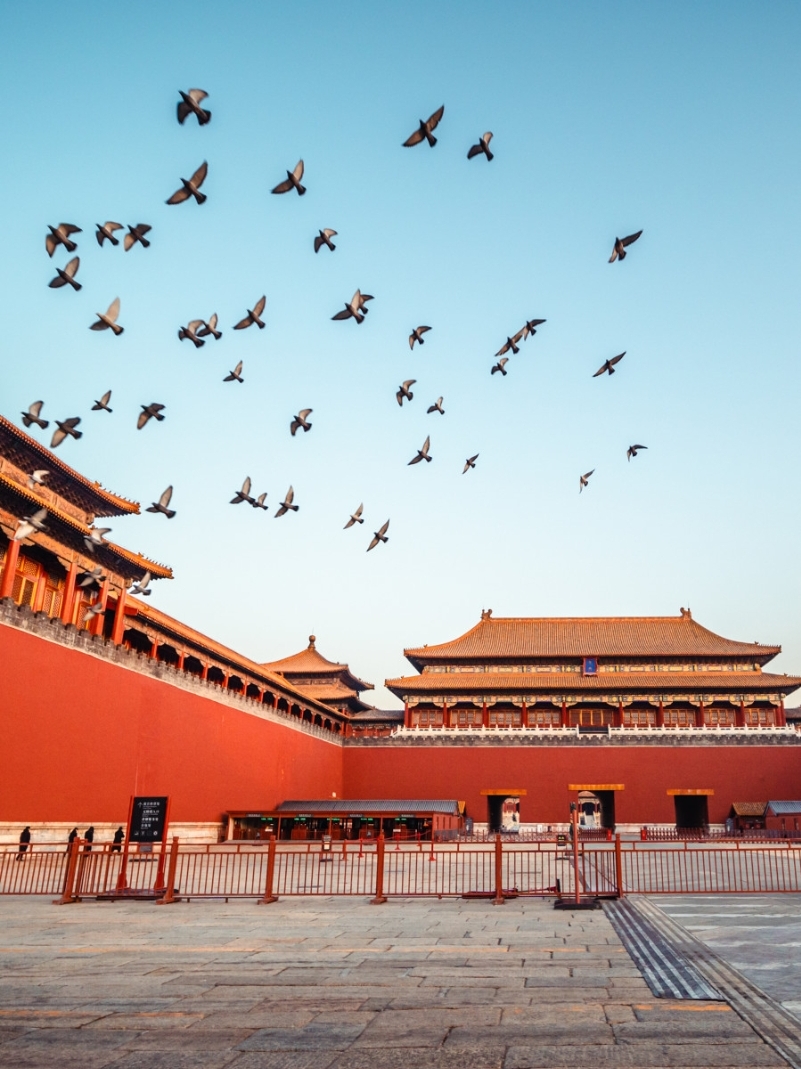
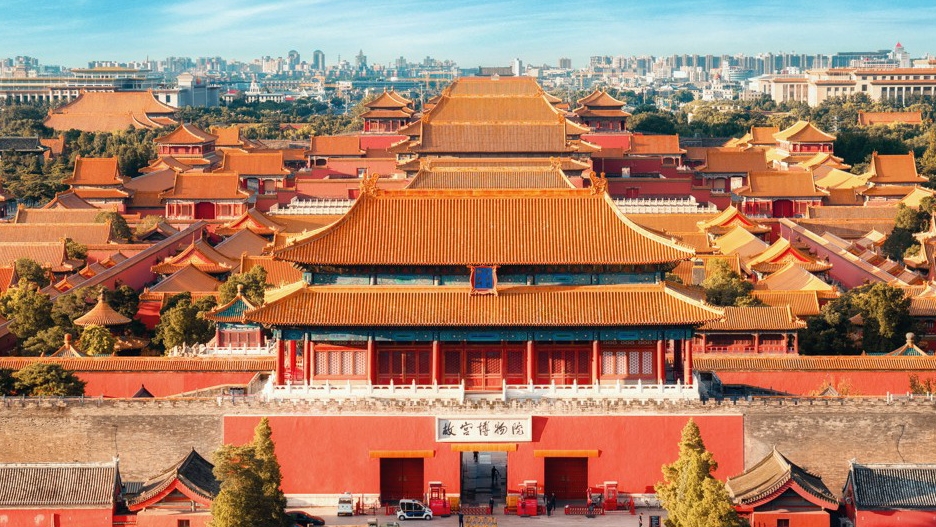
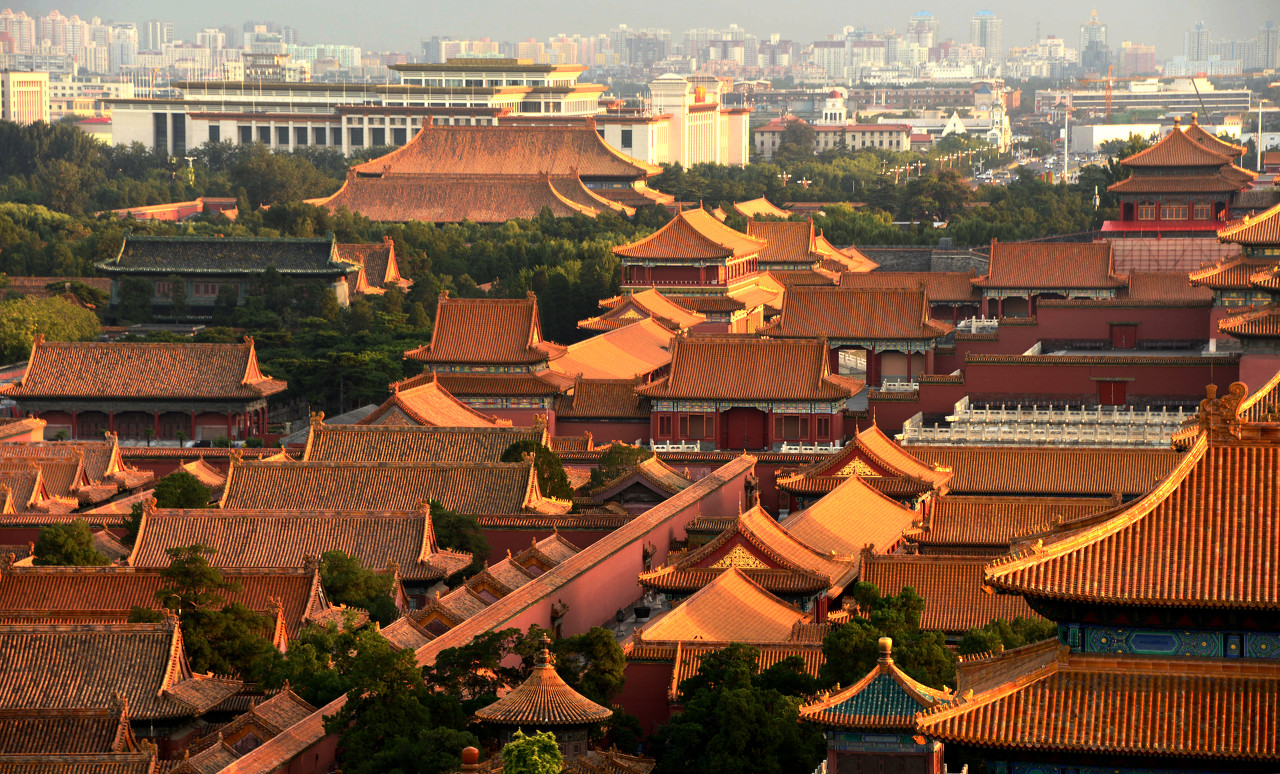
The Beijing Palace Museum was first constructed in the fourth year of the Yongle reign of the Ming Dynasty (1406) and completed 14 years later, serving as the imperial palace after Emperor Chengzu Zhu Di moved the capital to Beijing. Covering an area of approximately 720,000 square meters with a building area of 150,000 square meters, it features 9,999 and a half halls and chambers, strictly adhering to the ritual layout of "central axis symmetry, front court for state affairs and rear court for residence, ancestral temples on the left and god of land and grain temples on the right." Stretching from Wumen (Meridian Gate) in the south to Shenwumen (Divine Might Gate) in the north, the central axis is flanked by symmetrically arranged buildings, reflecting the ancient Chinese philosophy of "harmony between heaven and man" and the hierarchical order of imperial supremacy. The Outer Court, centered on the Hall of Supreme Harmony, Hall of Central Harmony, and Hall of Preserving Harmony, was the venue for imperial ceremonies and state governance. These halls are imposing and magnificent, with the Hall of Supreme Harmony (Golden Imperial Throne Hall) being the most prominent. Boasting a double-eaved gable and hip roof, it stands 26.92 meters tall with a floor area of 2,377 square meters, making it the largest existing wooden hall in China. Inside, the golden dragon throne and coiled dragon caisson ceiling exude imperial grandeur. The Inner Court, centered on the Palace of Heavenly Purity, Hall of Union, and Palace of Earthly Tranquility, supplemented by the Six Eastern and Six Western Palaces, served as the living quarters, ritual space, and daily governance area for emperors and empresses, featuring a compact and exquisite layout that balances residential functionality with ritual norms.
The Mukden Palace in Shenyang was founded in the tenth year of the Tianming reign of the Later Jin Dynasty (1625) as the imperial palace of Nurhaci, the founding emperor of the Qing Dynasty, and Huang Taiji, his son. Emperor Shunzhi ascended the throne here before moving the capital to Beijing. Covering about 60,000 square meters with a building area of 22,000 square meters, it integrates the architectural styles of the Manchu, Han, and Mongolian ethnic groups, forming a unique layout of "palaces higher than halls." With the Hall of Great Affairs at the center and ten princely pavilions flanking it, this layout reflects the political characteristics of the Manchu Eight Banners system. Meanwhile, buildings along the central axis, such as the Hall of Supreme Politics, Phoenix Tower, and Palace of Pure Tranquility, inherit the ritual traditions of Han imperial palaces, demonstrating the integration and coexistence of multiple ethnic cultures. This complex provides valuable evidence for the study of political systems and architectural art during the transition from the Ming to the Qing Dynasty.
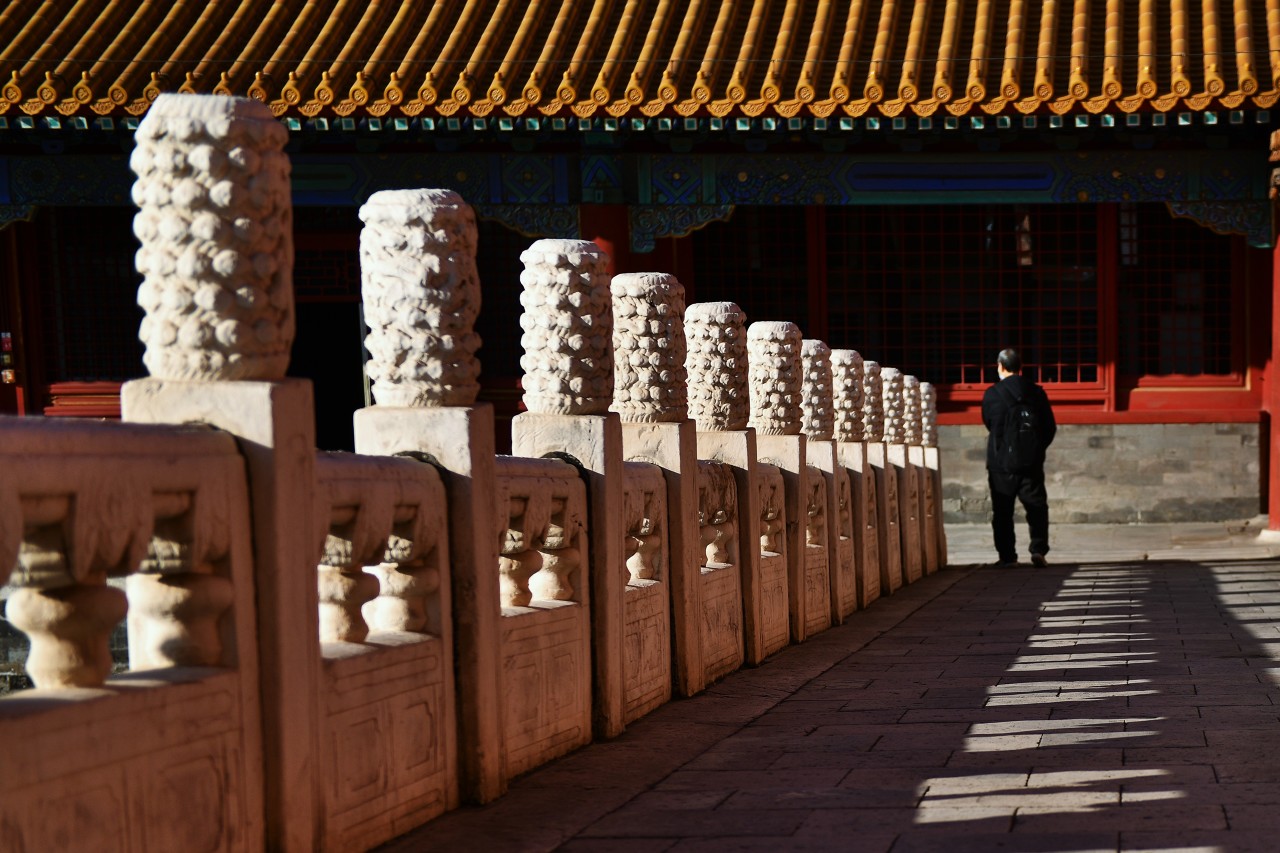
The architectural craftsmanship of the Ming and Qing Imperial Palaces represents the culmination of ancient Chinese architecture. The main structures adopt a wooden frame with dougong (bracket sets) as the core load-bearing component, ensuring sturdiness and durability without a single nail or rivet, enabling them to withstand centuries of wind and rain. The roofs are covered with yellow glazed tiles, and the walls are painted red—colors symbolizing the supremacy of imperial power. Doors, windows, beams, and columns are carved with auspicious patterns such as dragons, phoenixes, lions, and kylins, while the painted decorations employ high-grade techniques like hexi (imperial dragon) painting and xuanzi (swirl) painting, featuring rich colors and profound symbolic meanings. Additionally, the drainage systems, heating facilities, and fire prevention designs of the palaces showcase the extraordinary wisdom of ancient craftsmen. For instance, the mythical beast-shaped (chi shou) drainage spouts under the platform of the Hall of Supreme Harmony create a spectacular "thousand dragons spitting water" scene during rainstorms while fulfilling practical drainage functions.
As imperial palaces, the Ming and Qing Imperial Palaces were not only centers of political power but also treasure troves of culture and art. Housing over 1.86 million cultural relics/sets, including bronze ware, jade artifacts, porcelain, paintings and calligraphy, ancient books, and rare treasures, they form the core collection of ancient Chinese cultural relics. These artifacts range from daily imperial utensils and tributes from various regions to precious artistic works passed down through generations, witnessing the exquisite craftsmanship of ancient Chinese handicrafts and the glorious achievements of cultural art.
In 1925, the Palace Museum was established in Beijing, transforming the Forbidden City from an imperial enclave into a public cultural space. The Mukden Palace also opened to the public as a museum in 1926. Today, both museums serve not only as important bases for cultural relic preservation and exhibition but also as bridges for Sino-foreign cultural exchange. Through digital exhibitions, international tours, academic seminars, and other forms, the architectural art, ritual culture, and craftsman spirit embodied by the Ming and Qing Imperial Palaces have been widely disseminated, becoming a common cultural heritage of all humanity.
From the imperial forbidden city of the Ming and Qing dynasties to a landmark of world cultural heritage in the modern era, the Imperial Palaces of the Ming and Qing Dynasties have always epitomized Chinese civilization. With their grand scale, exquisite craftsmanship, and rich connotations, they showcase the charm of ancient Chinese architecture and the profoundness of Chinese civilization to the world, serving as an important symbol of the cultural confidence of the Chinese nation.