 Request a quote
List of World Heritage Sites in China
 Li Yufei
 Dec 25, 2025
List of China's World Heritage Sites (including Cultural, Natural, and Mixed Heritage):
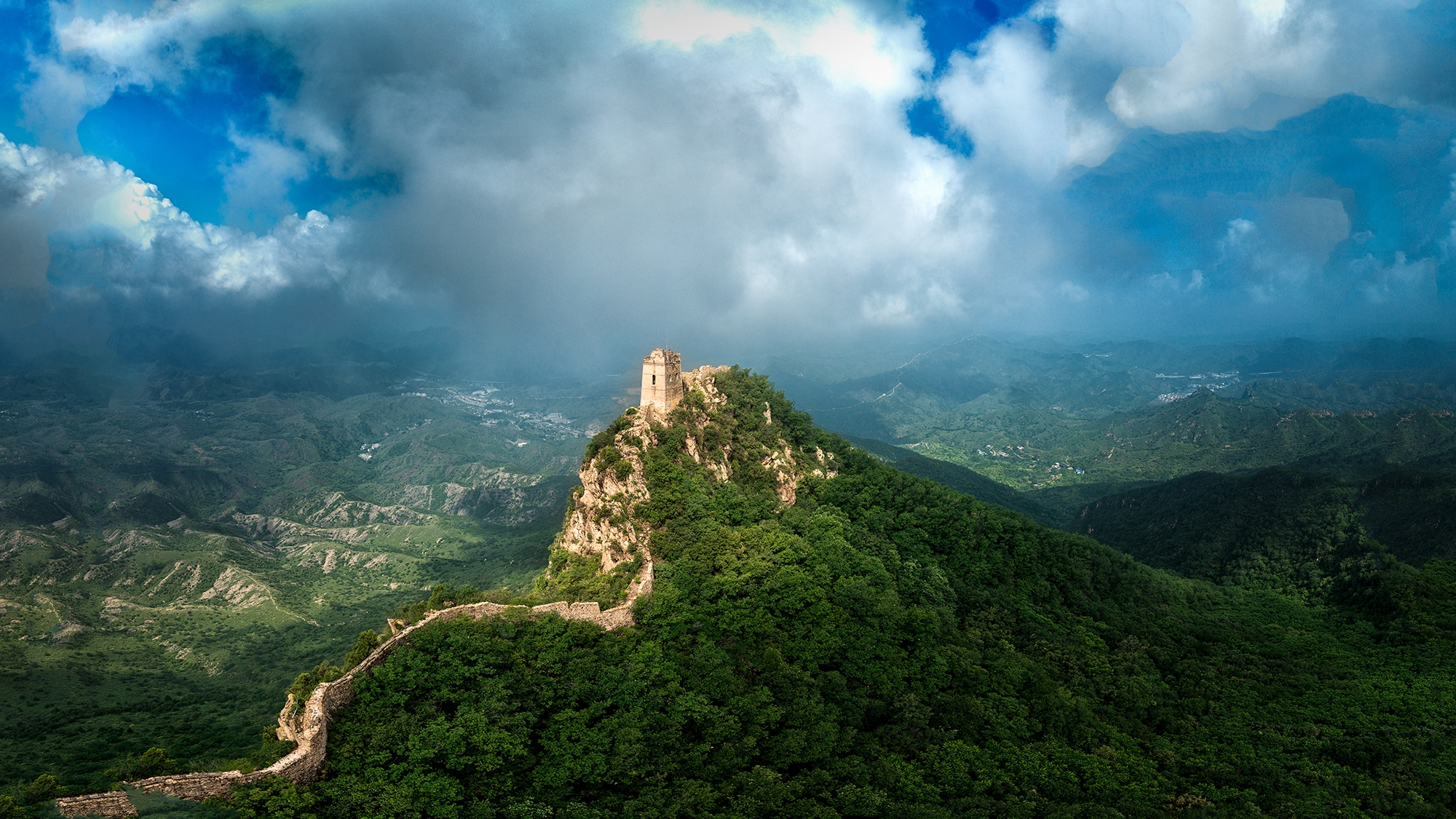
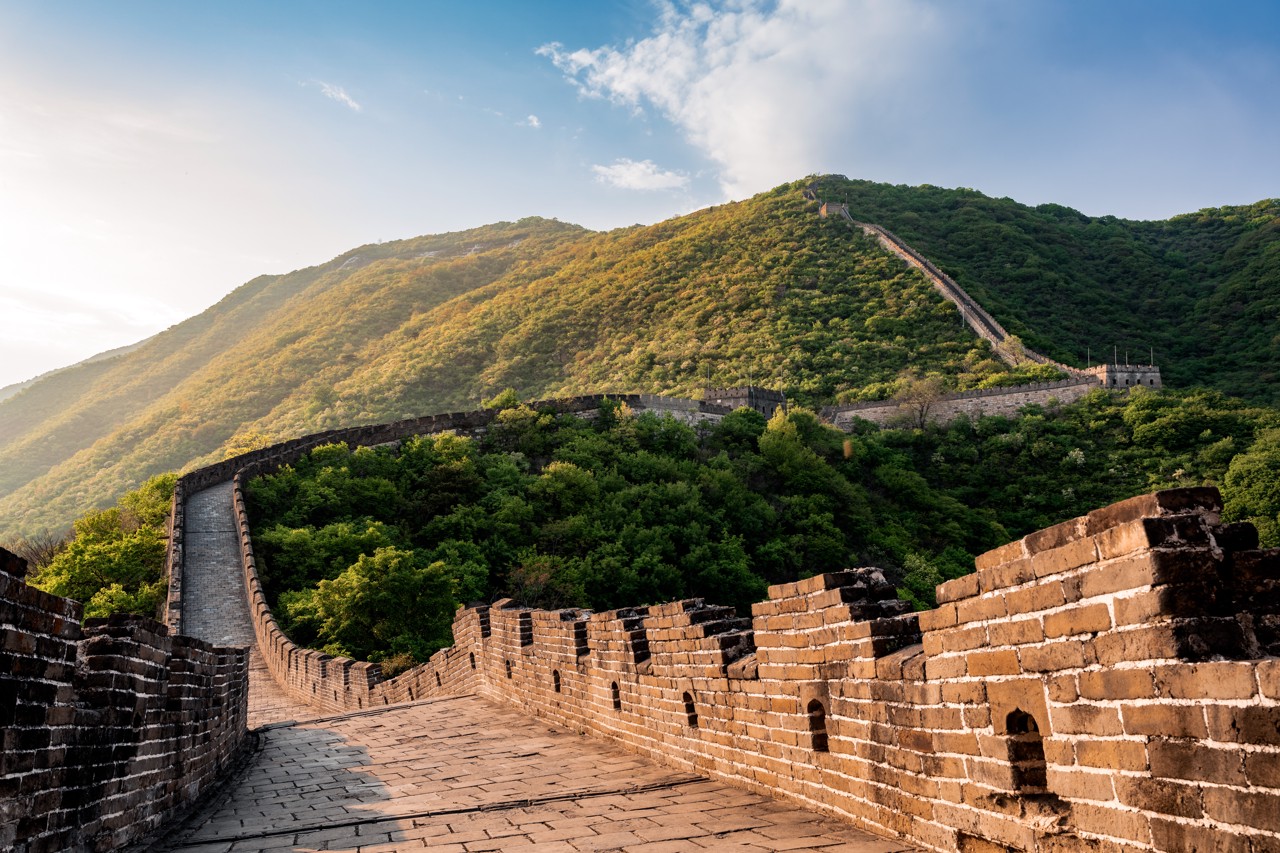
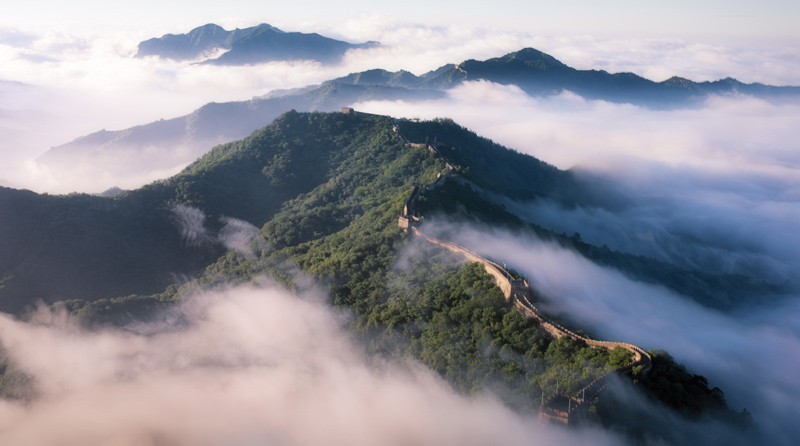
The Great Wall:
A grand ancient Chinese military defense project spanning thousands of miles of mountains and rivers, carrying the historical memories and architectural wisdom of the Chinese nation.
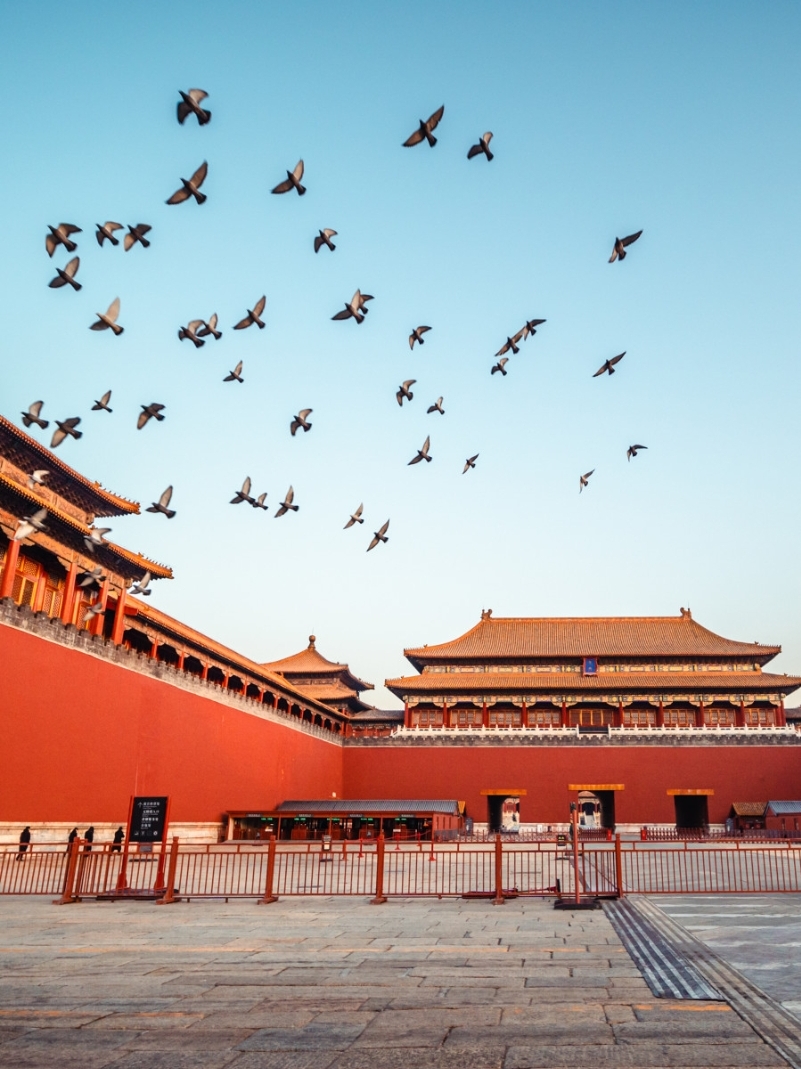
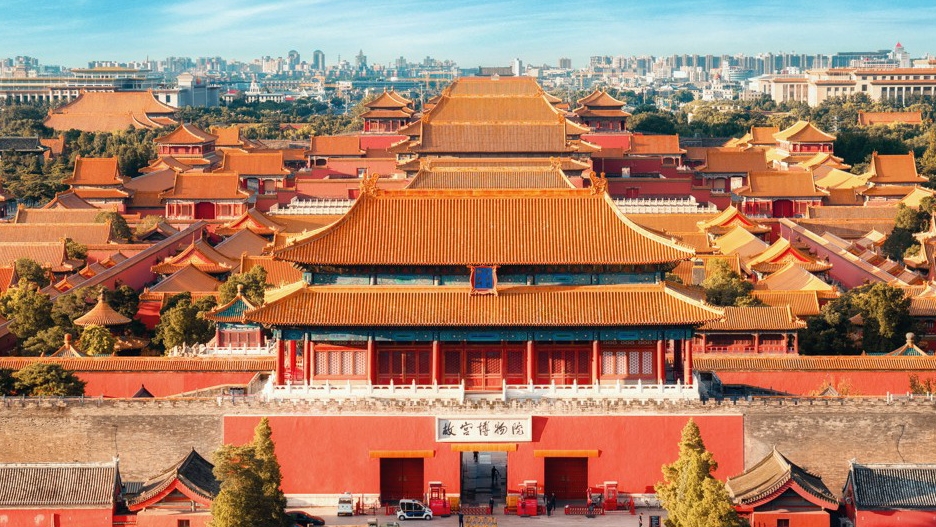
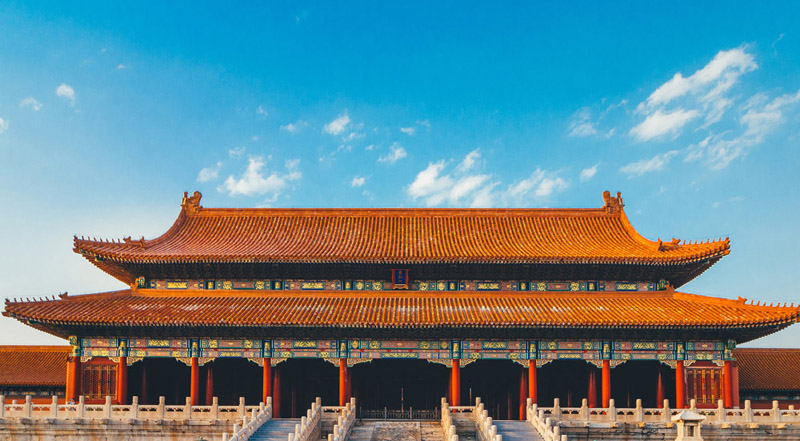
The Palace Museum :
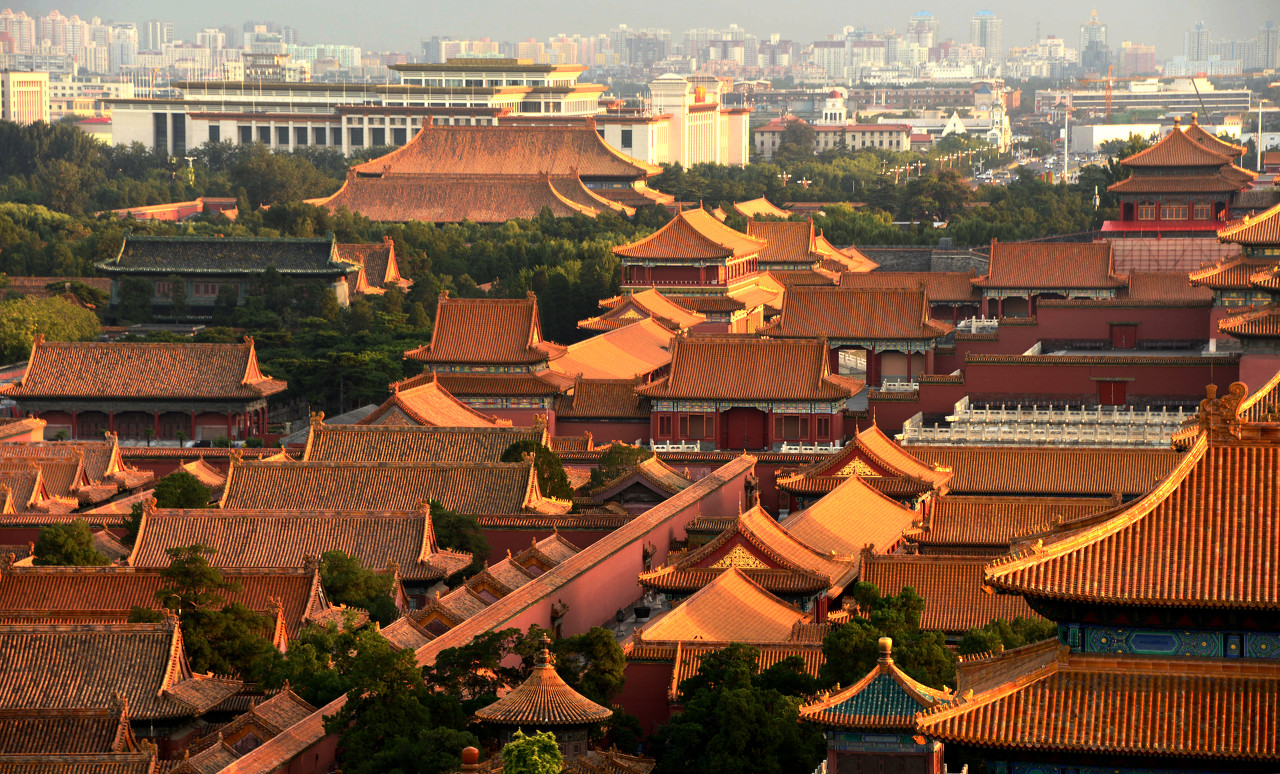
Imperial palaces of the Ming and Qing dynasties, the magnificent complex of halls is a model of ancient Chinese palace architecture and an epitome of court culture.
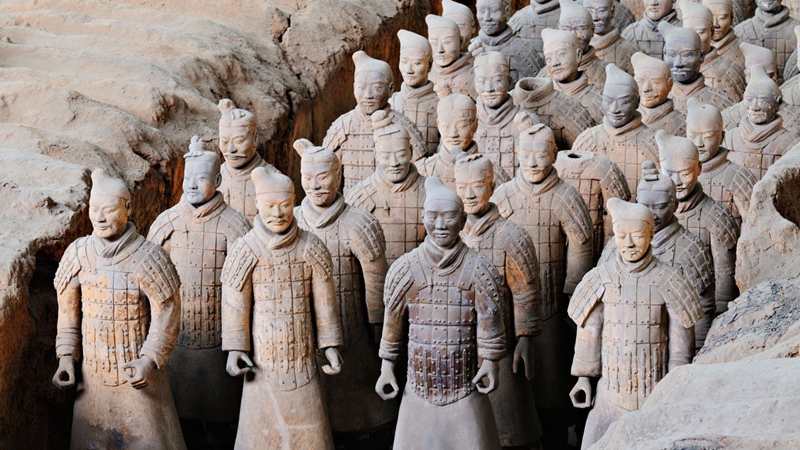
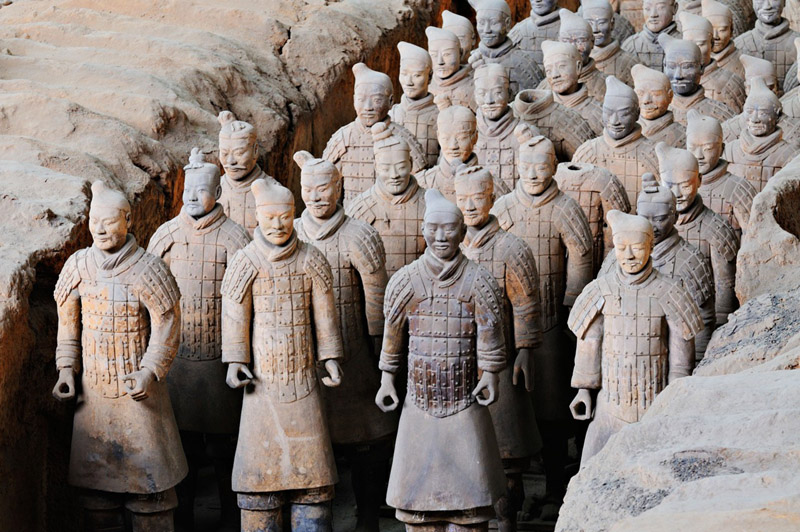
Mausoleum of the First Qin Emperor and Terracotta Army:
A representative imperial mausoleum of the Qin Dynasty, the lifelike Terracotta Army formation recreates the military prowess of the Qin Empire.
Mogao Caves (Dunhuang):
A treasure trove of Buddhist art on the Silk Road, its colorful murals and painted sculptures witnessed the cultural exchange between China and the West during the Middle Ages.
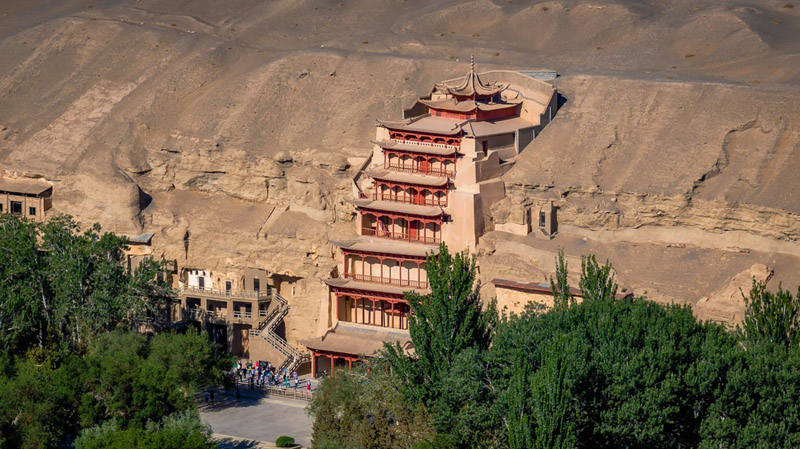
Peking Man Site at Zhoukoudian:
An important site of ancient human activity, providing highly valuable physical evidence for the study of human evolutionary history.
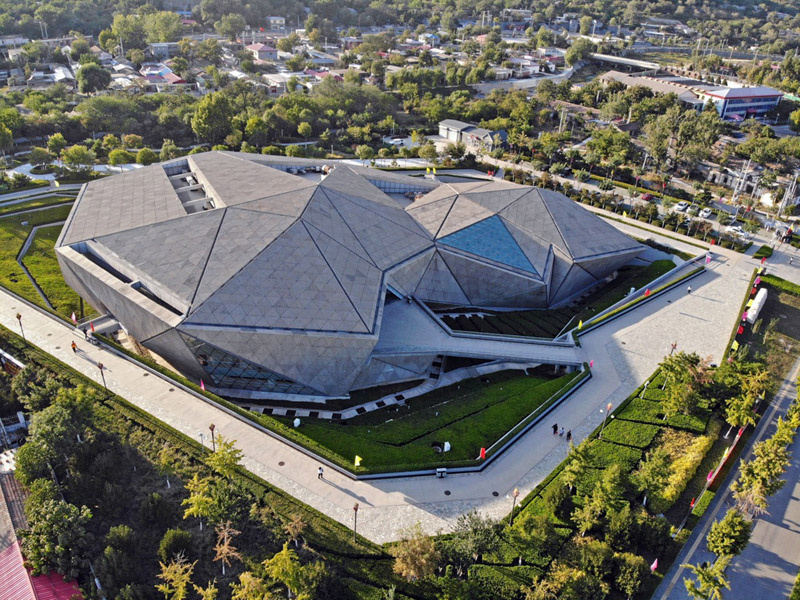
Mount Taishan:
A mixed cultural and natural heritage. As the leader of the Five Great Mountains, it carries a profound cultural heritage of imperial sacrifices and literati inscriptions.
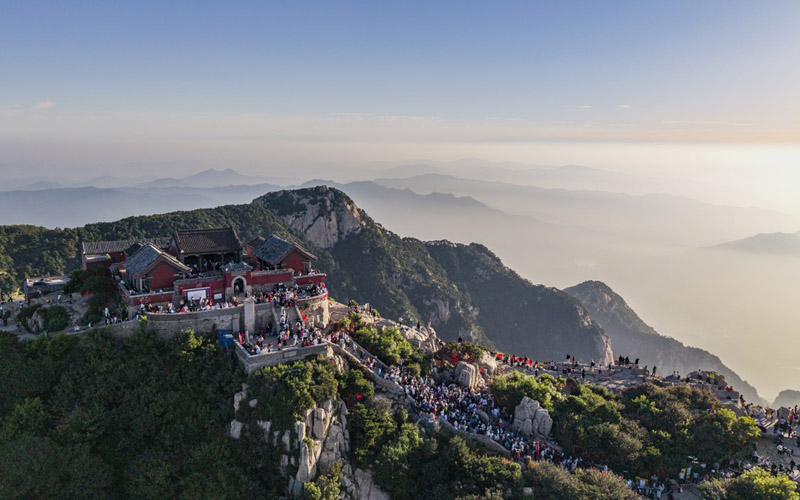
Mount Huangshan:
A mixed cultural and natural heritage. Famous for its strange pines, grotesque rocks, sea of clouds, and hot springs, it has inspired countless literati and artists.
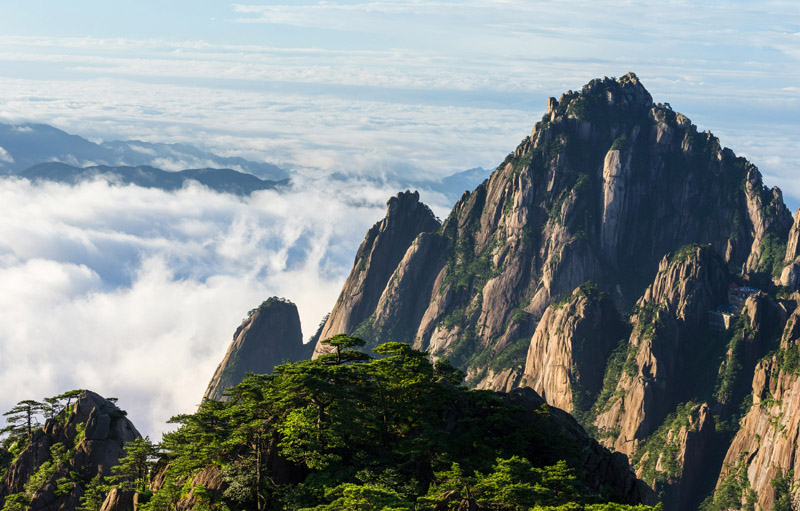
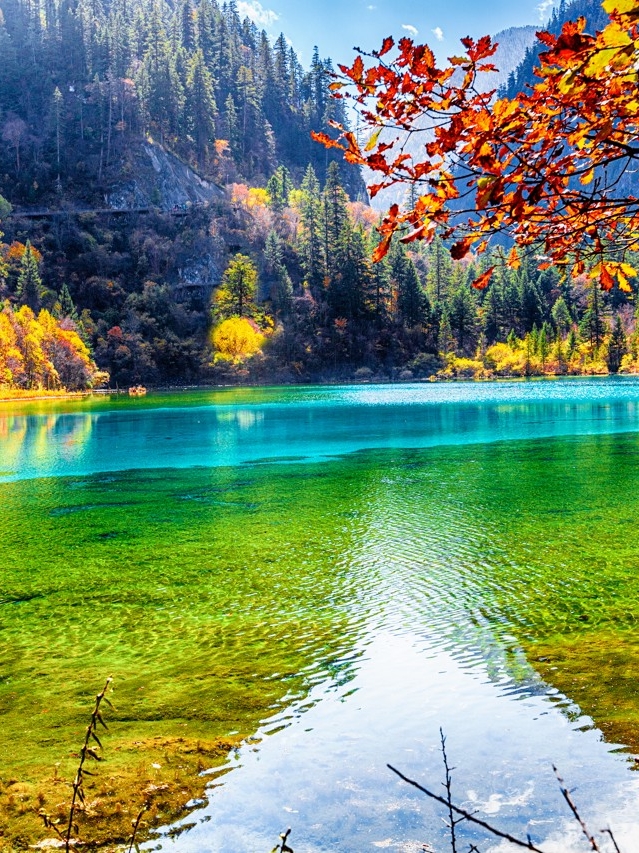
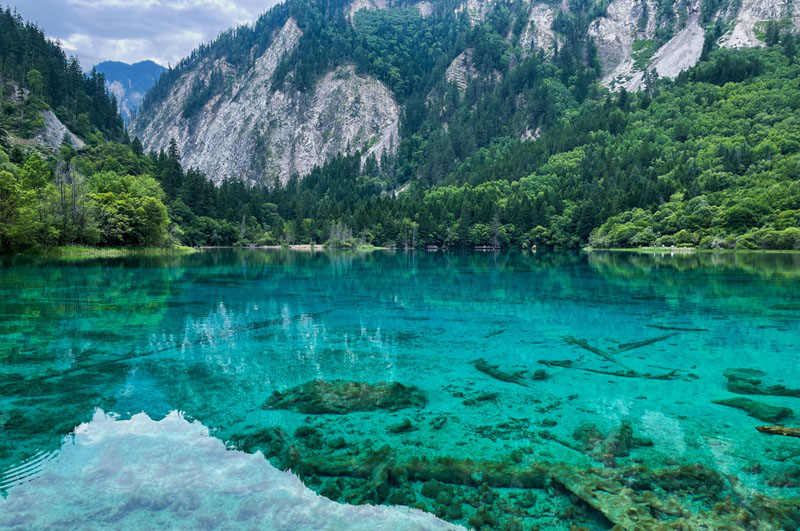
Jiuzhaigou Valley Scenic and Historic Interest Area:
Characterized by alpine lakes, waterfalls, and calcified travertine terraces, it is a stunning ecological picture of harmonious coexistence between humans and nature.
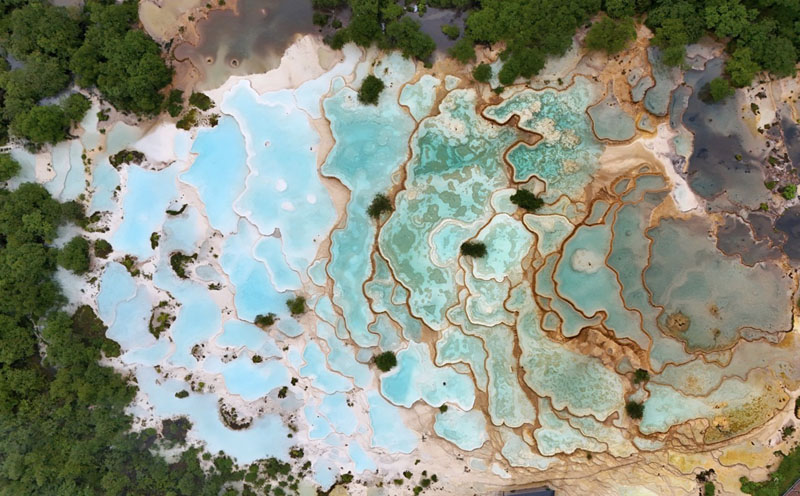
Huanglong Scenic and Historic Interest Area:
Home to the world's rare calcified colorful pond groups, it is as colorful as a fairyland, with extremely high ecological and aesthetic value.
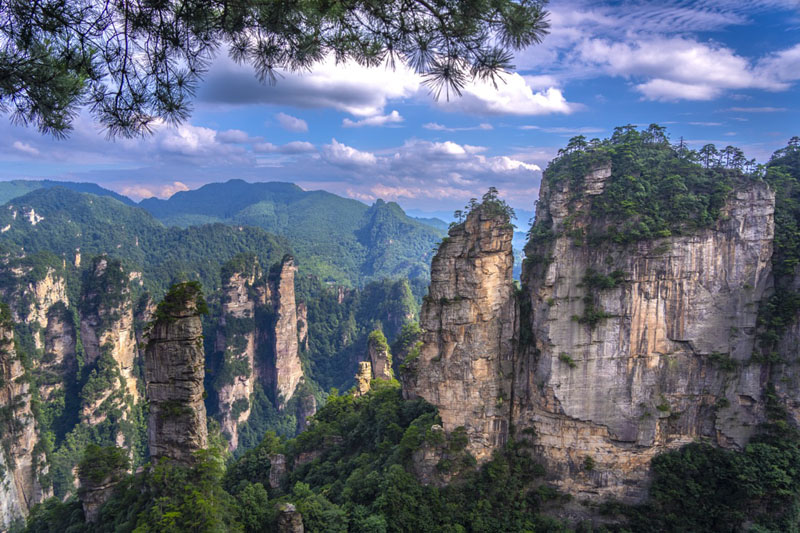
Wulingyuan Scenic and Historic Interest Area:
Featuring unique landscapes such as peak forests, canyons, and karst caves, it is like a natural geological museum full of primitive wilderness.
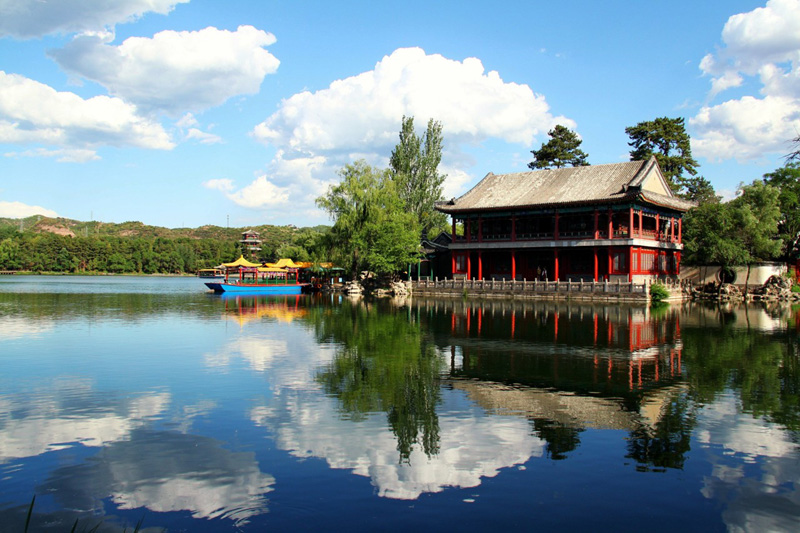
Mountain Resort and its Outlying Temples, Chengde:
A summer resort and political center for the Qing emperors, it integrates the architectural styles of Han, Mongolian, Tibetan, and other ethnic groups.
Temple and Cemetery of Confucius and the Kong Family Mansion in Qufu:
The core sites commemorating Confucius, the complex has strict regulations and inherits over two thousand years of Confucian culture.
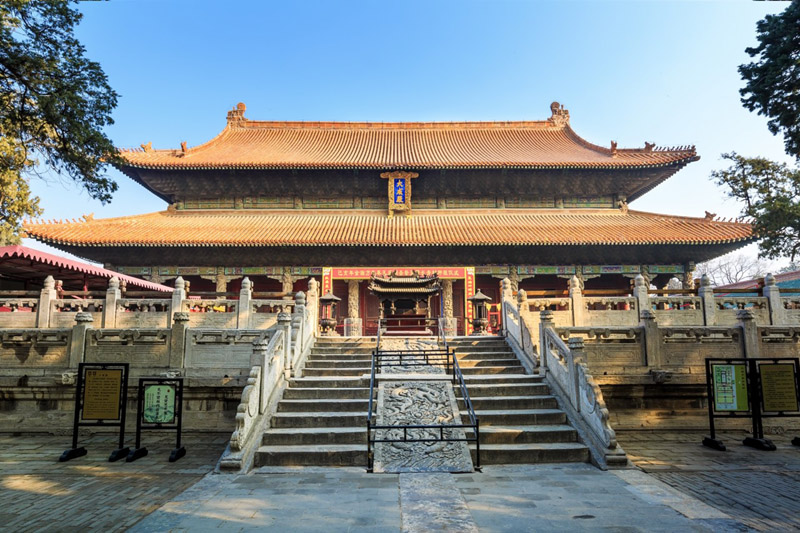
Ancient Building Complex in the Wudang Mountains:
The pinnacle of Chinese Taoist architecture, the palaces and temples are built against the mountains, perfectly integrated with the natural landscape.
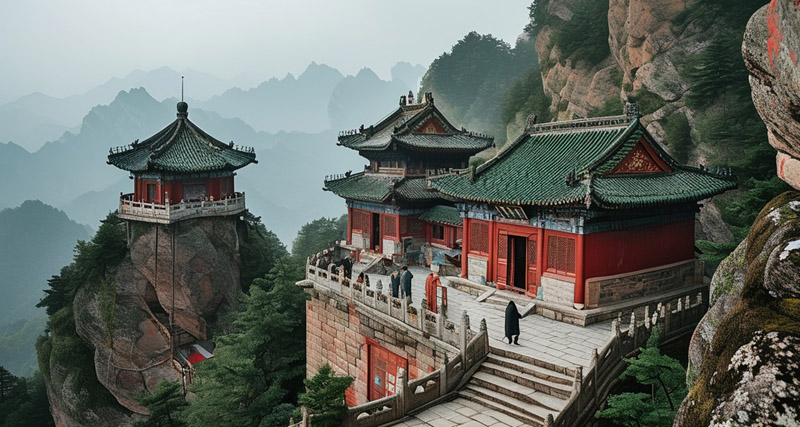
Historic Ensemble of the Potala Palace, Lhasa:
A complex integrating palaces, monasteries, and stupa halls, it is a treasure of Tibetan architectural art and a symbol of Tibetan culture.
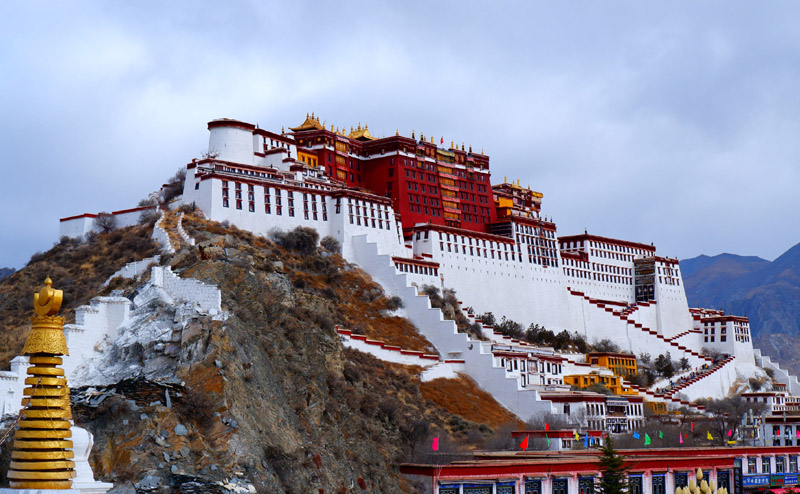
Lushan National Park:
A cultural landscape heritage. With its magnificent and beautiful mountains and rivers as the carrier, it has accumulated a rich heritage of academy culture and poetry.
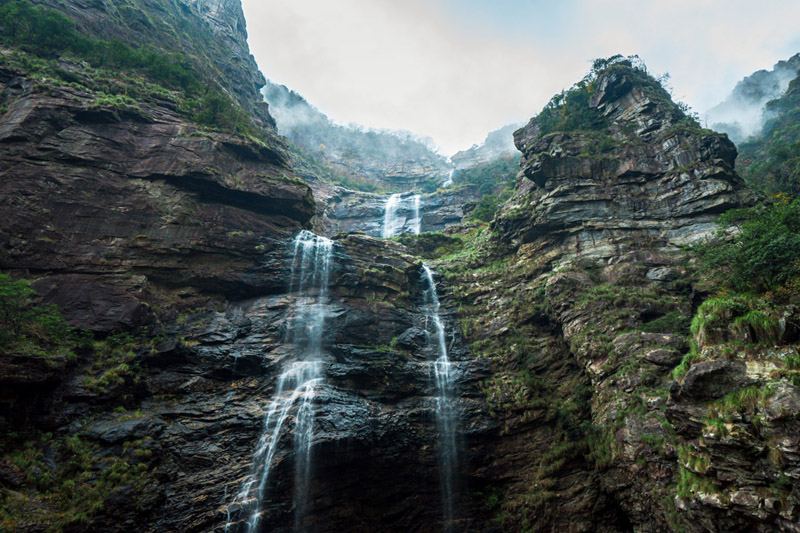
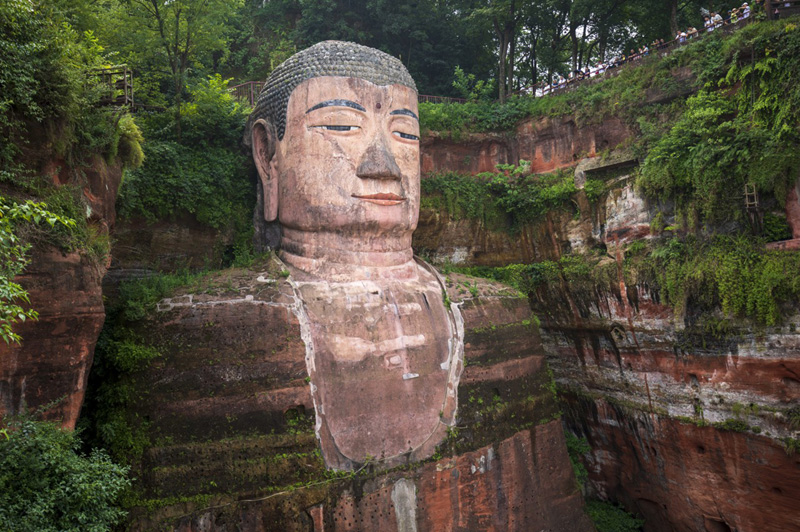
Mount Emei and Leshan Giant Buddha:
A mixed cultural and natural heritage. Mount Emei is a famous Buddhist mountain, and the Leshan Giant Buddha is the world's largest stone-carved Maitreya Buddha statue.
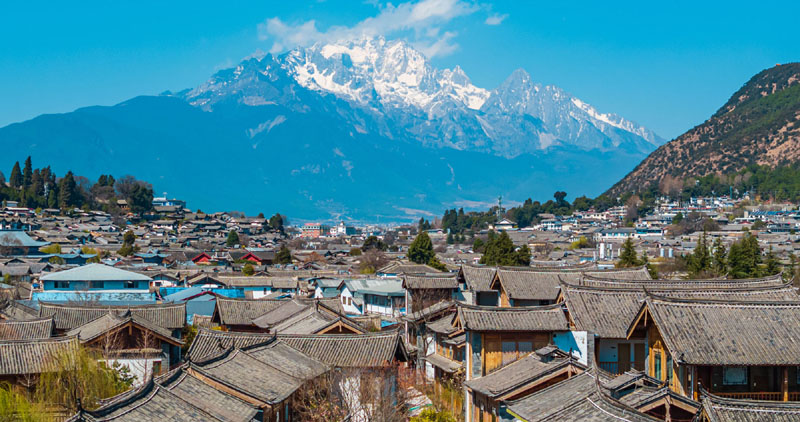
Old Town of Lijiang:
An ancient plateau water town with crisscrossing streets and water systems, it completely preserves the traditional style and living customs of the Naxi people.
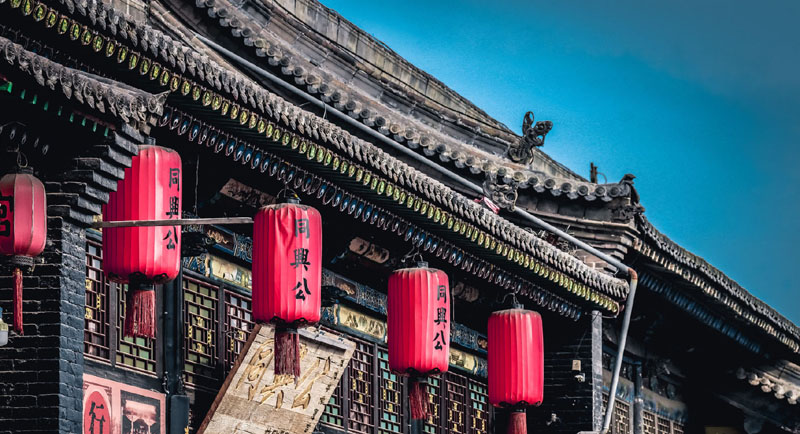
Ancient City of Ping Yao:
A well-preserved ancient county town of the Ming and Qing dynasties, with well-arranged city walls, streets, and dwellings, showing the former glory of Jin merchant culture.
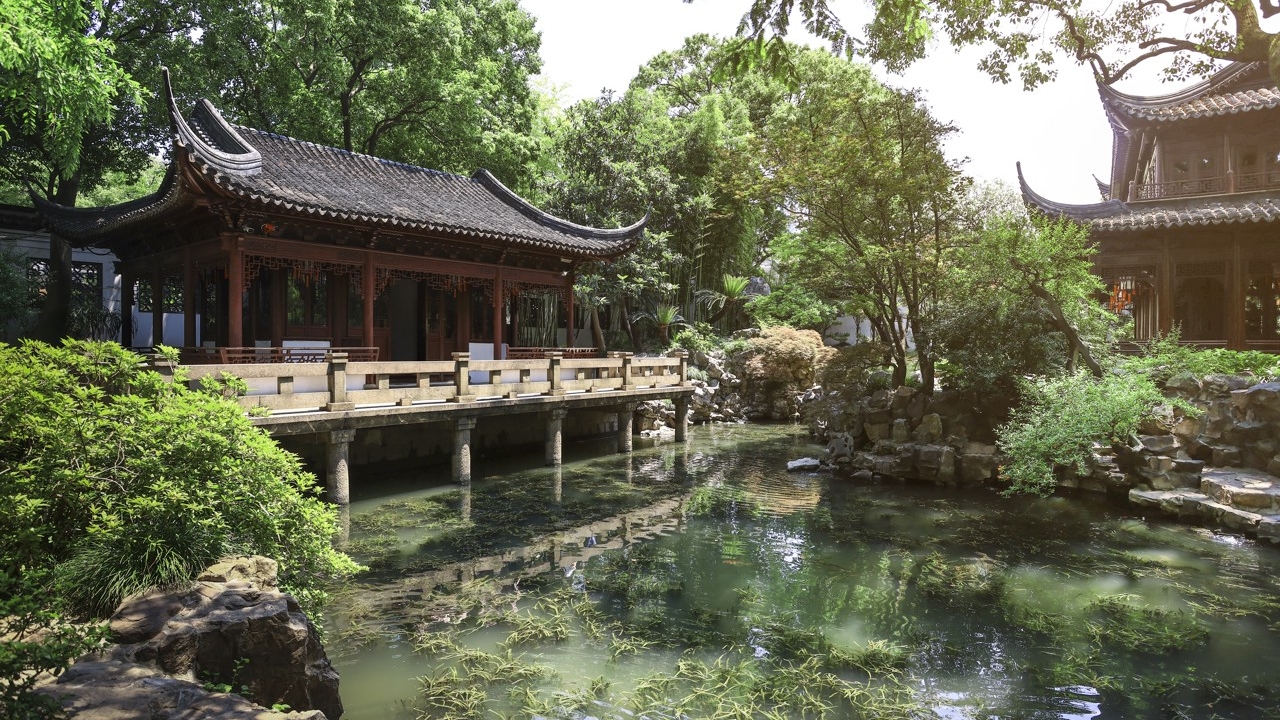
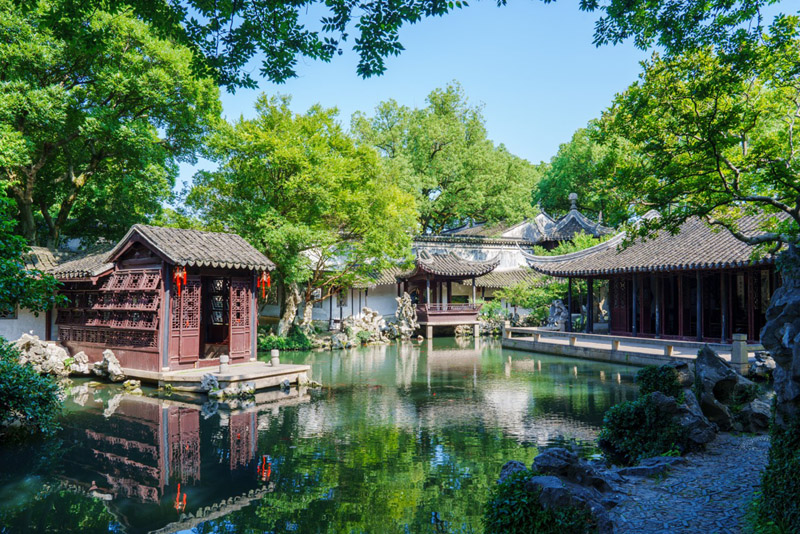
Classical Gardens of Suzhou:
Using the gardening technique of "a miniature landscape in a small space," they integrate natural charm into urban residences, showing the elegance of Jiangnan.
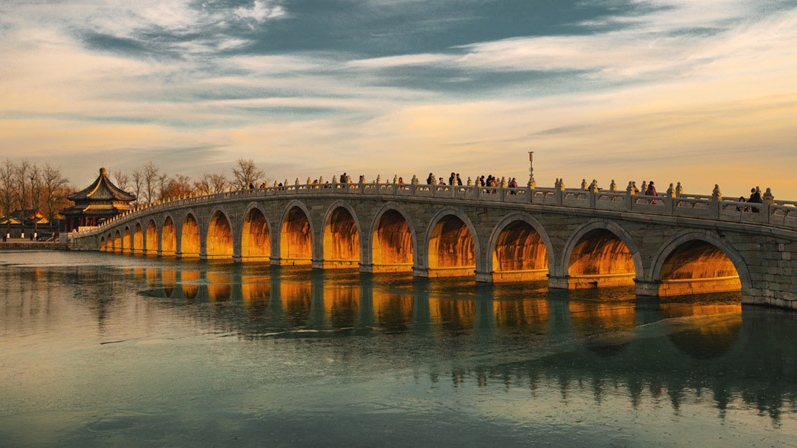
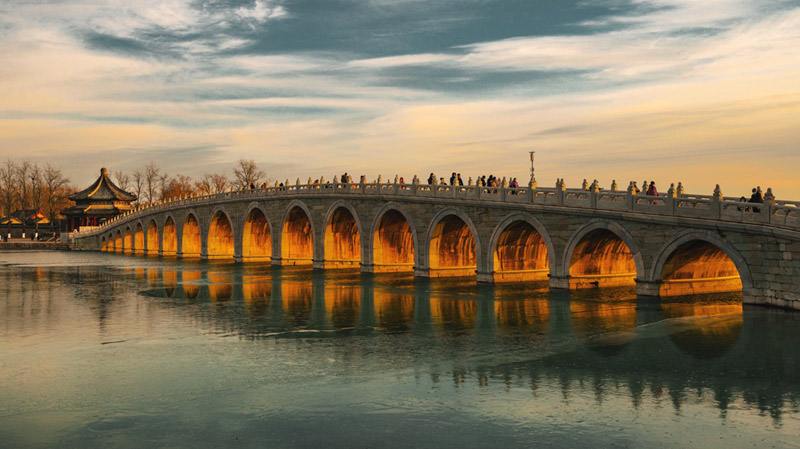
Summer Palace, an Imperial Garden in Beijing:
The largest and best-preserved imperial garden in China, integrating the beauty of Jiangnan gardens with the grandeur of northern gardens.
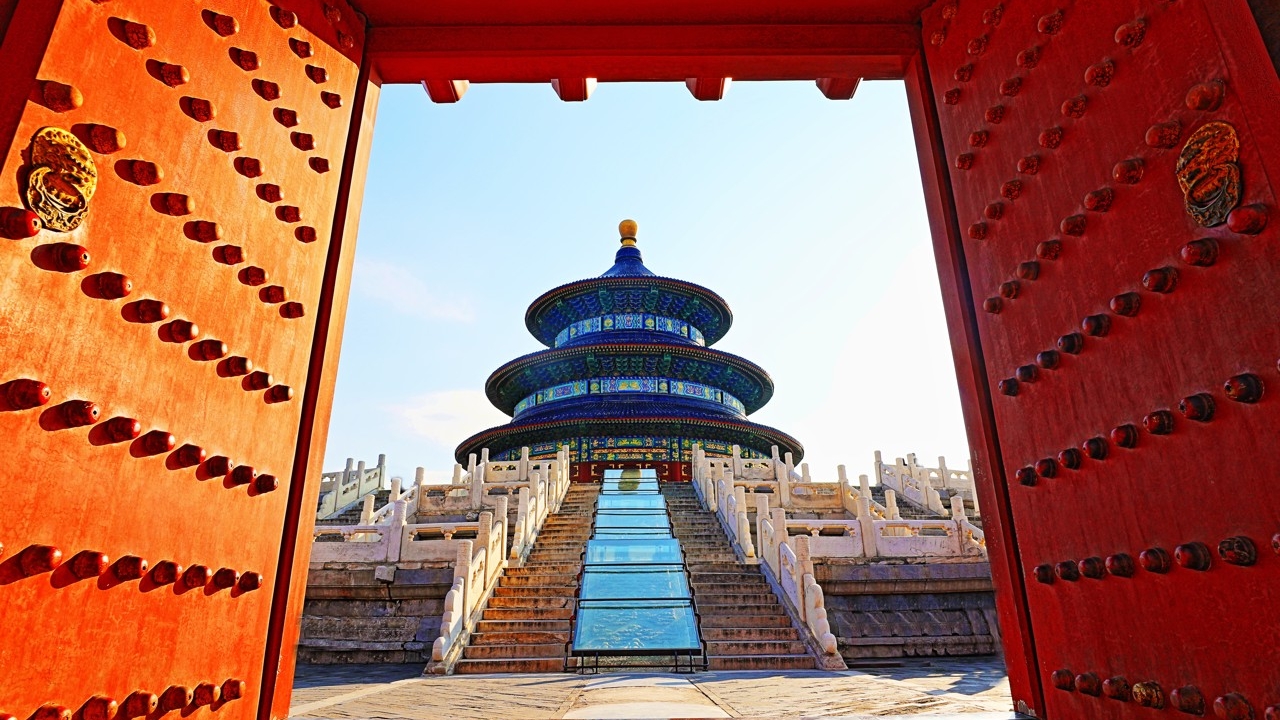
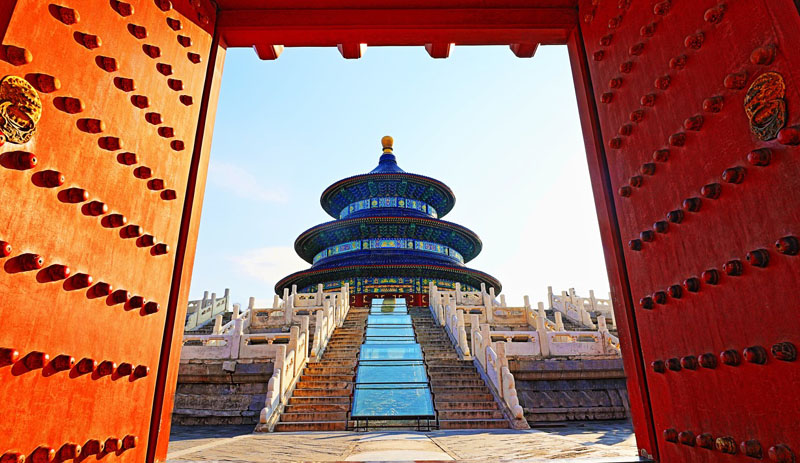
Temple of Heaven: an Imperial Sacrificial Altar in Beijing:
A place where emperors of the Ming and Qing dynasties worshipped heaven and prayed for good harvests, its strict architectural layout is a model of ancient Chinese sacrificial architecture.
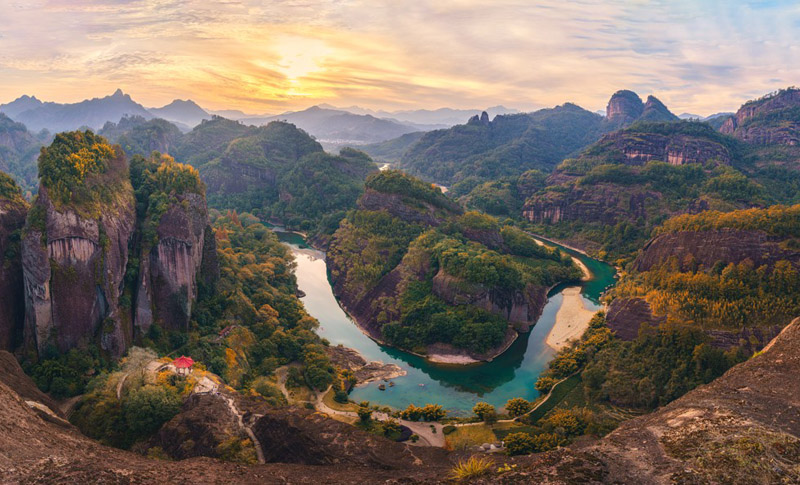
Mount Wuyi:
A mixed cultural and natural heritage. It not only has magnificent Danxia landforms but also nurtures profound cultural connotations such as Zhu Xi's Neo-Confucianism.
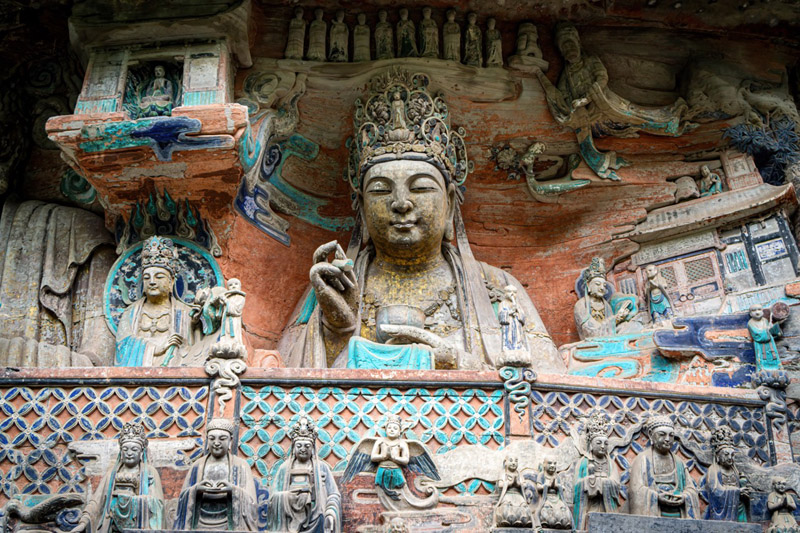
Dazu Rock Carvings:
A stone carving art group from the late Tang Dynasty to the early Song Dynasty, with rich themes and exquisite carvings, showing the essence of China's late grotto art.
Mount Qingcheng and the Dujiangyan Irrigation System:
Mount Qingcheng is one of the birthplaces of Taoism, and Dujiangyan is the world's oldest existing no-dam irrigation project.
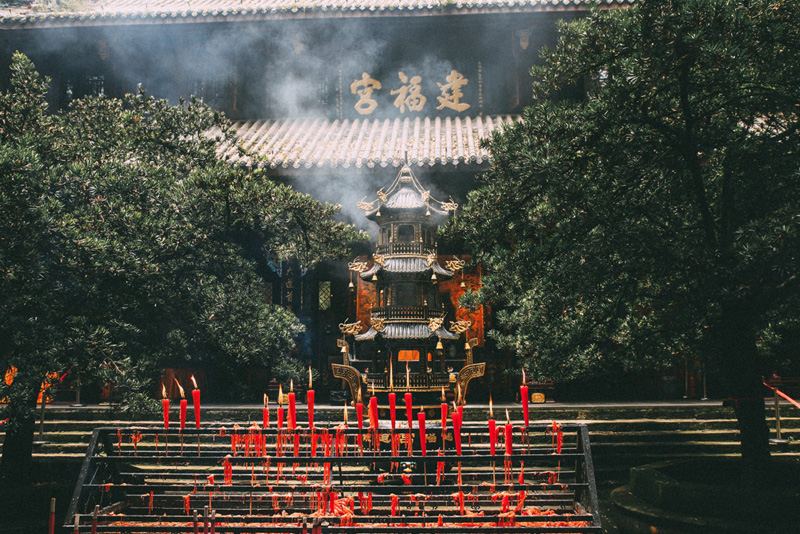
Longmen Grottoes:
A large-scale grotto group from the Northern Wei Dynasty to the Tang Dynasty, with exquisite Buddha sculptures, witnessing the development of Chinese Buddhist art.
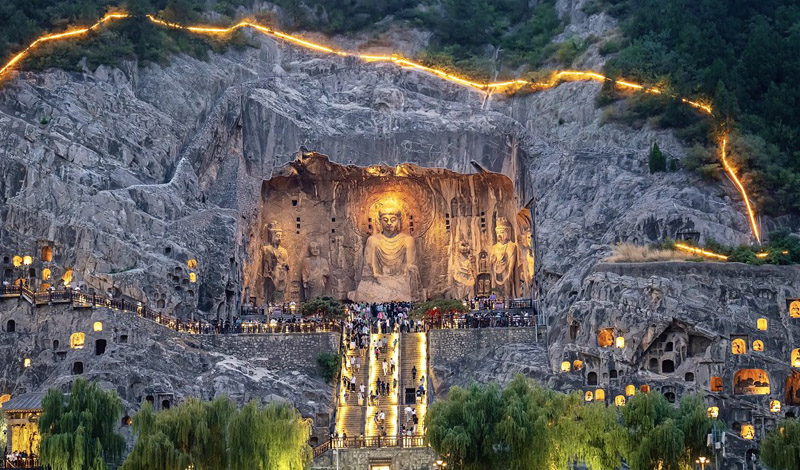
Yungang Grottoes:
A royal grotto of the Northern Wei Dynasty, with powerful and magnificent sculptures integrating Chinese and Western artistic styles, of great historical and artistic value.
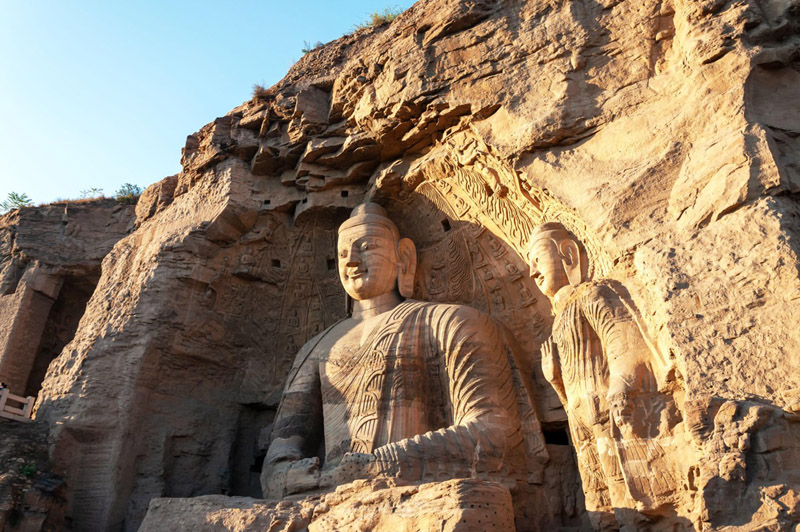
Imperial Tombs of the Ming and Qing Dynasties (Ming Tombs, Xianling Mausoleum, Eastern Qing Tombs, Western Qing Tombs, etc.):
The pinnacle of ancient Chinese imperial mausoleum architecture, integrating ritual norms with natural landscapes. The grand and rigorously laid-out mausoleum complexes witness the culmination of imperial funeral culture and architectural art of the Ming and Qing dynasties.
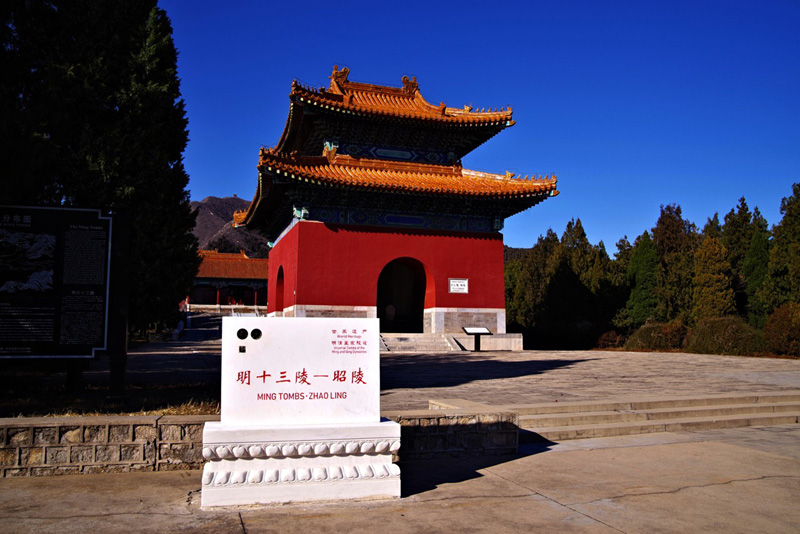
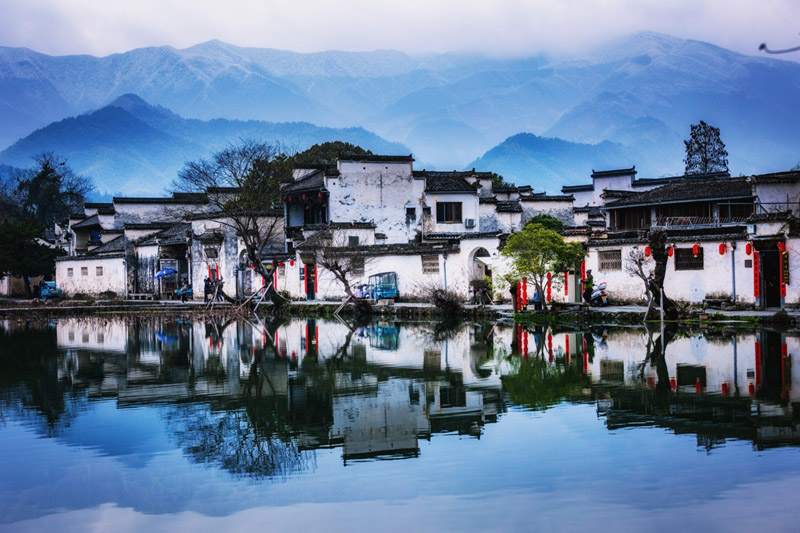
Ancient Villages in Southern Anhui (Xidi and Hongcun):
Outstanding representatives of Huizhou-style architecture. Nestled among mountains and rivers with exquisite layouts, the streets, dwellings, ancestral halls, and memorial archways reflect the cultural heritage of Huizhou merchants in the Ming and Qing dynasties, serving as a model of ancient villages where humans and nature coexist harmoniously.
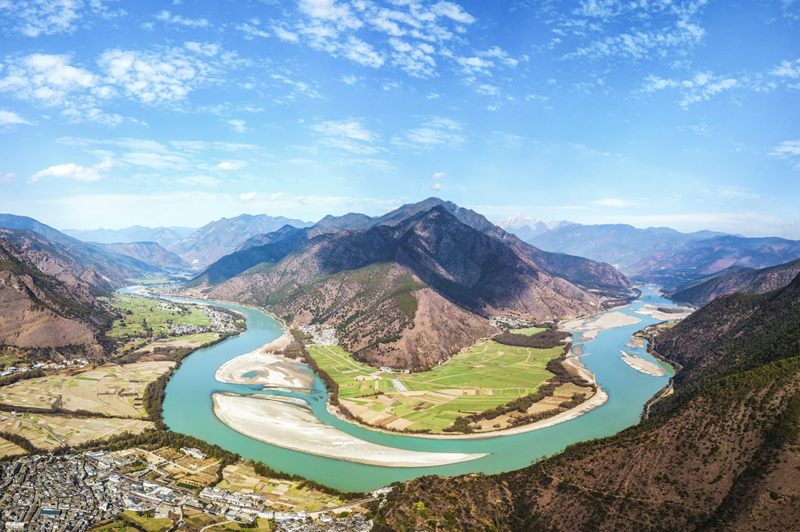
Three Parallel Rivers of Yunnan Protected Areas:
A world-famous alpine canyon landform where three major rivers flow parallel without converging, with a unique and complete ecosystem.
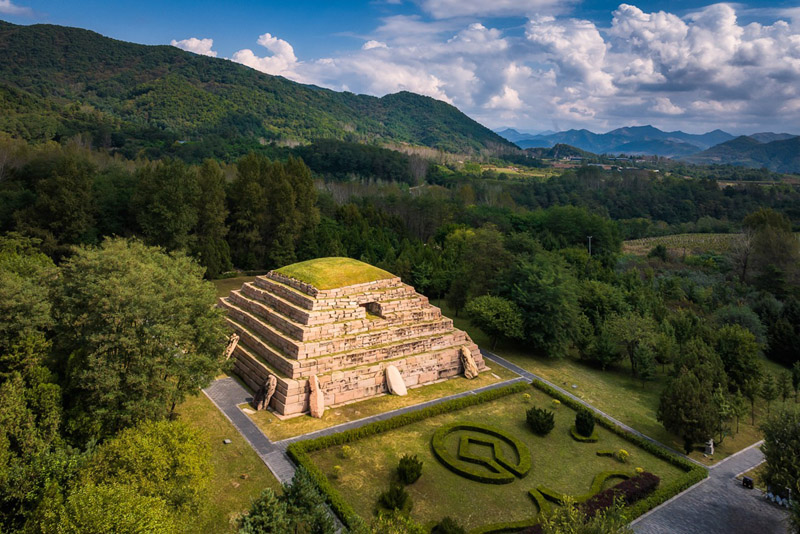
Capital Cities and Tombs of the Ancient Koguryo Kingdom:
Showing the architecture and burial culture of the Koguryo people, they are important relics of ancient Northeast Asian civilization.
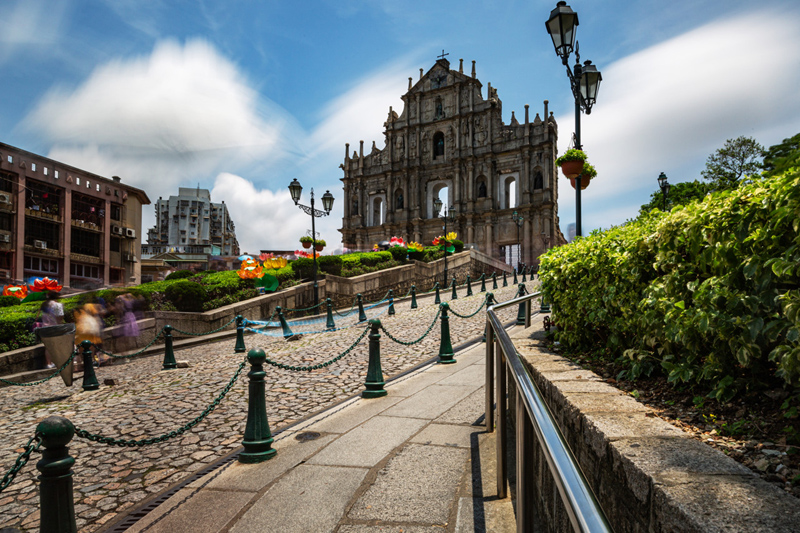
Historic Centre of Macao:
A district integrating Chinese and Western architectural styles, witnessing hundreds of years of cultural exchange and historical changes in Macao.
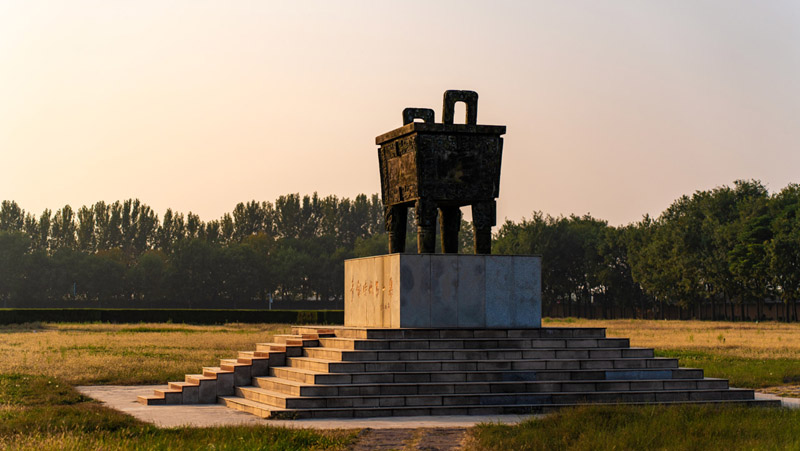
Yin Xu:
The site of the late Shang Dynasty capital, the discovery of oracle bone inscriptions and bronzes provides direct physical evidence for the study of Shang Dynasty history.
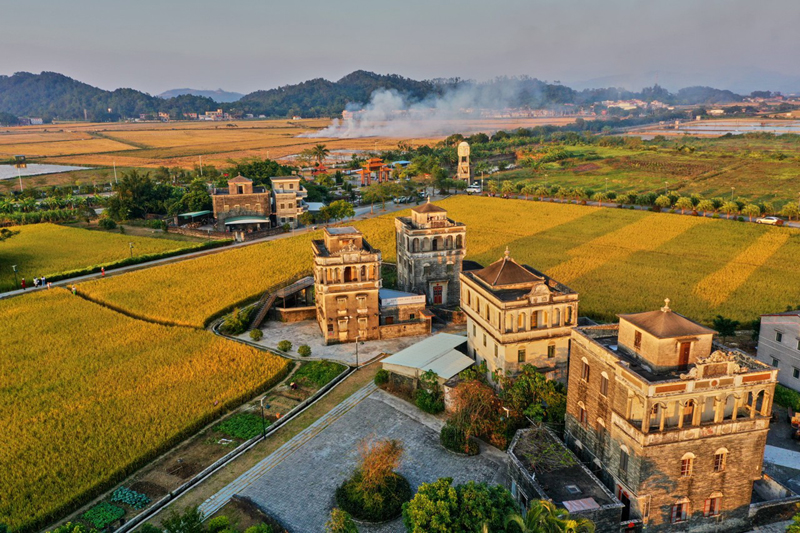
Kaiping Diaolou and Villages:
A group of watchtowers integrating defense and residential functions, witnessing the integration of overseas Chinese culture and Chinese-Western architecture.
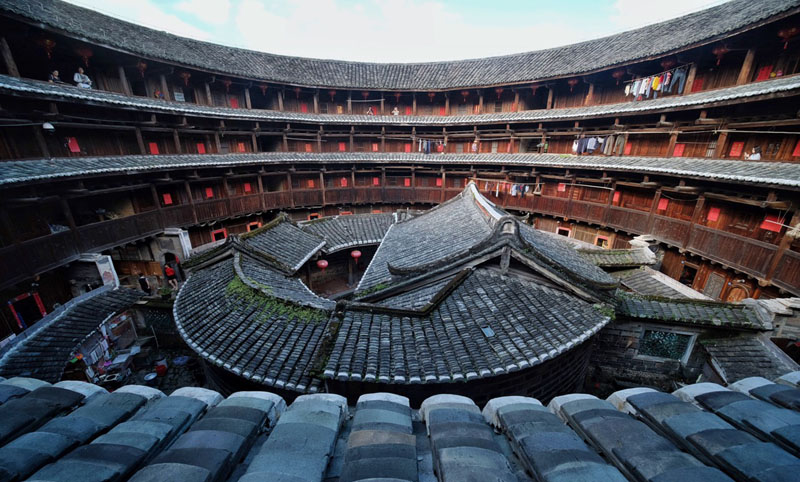
Fujian Tulou:
Characterized by circular and square tulou, they are giant residential buildings for clan living, with both defensive and residential functions, reflecting Hakka culture.
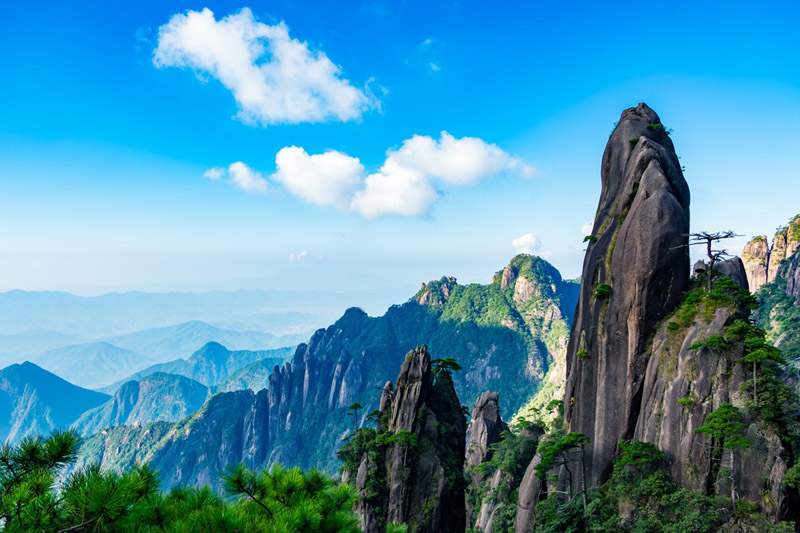
Sanqingshan National Park:
Featuring unique granite peak forest landforms and lush vegetation, it is a model of harmonious coexistence between humans and nature, full of Taoist cultural implications.
Mount Wutai:
One of China's four great Buddhist mountains, the temple complex is built against the mountains, integrating the architectural styles of Han, Tibetan, and other ethnic groups, with profound cultural heritage.
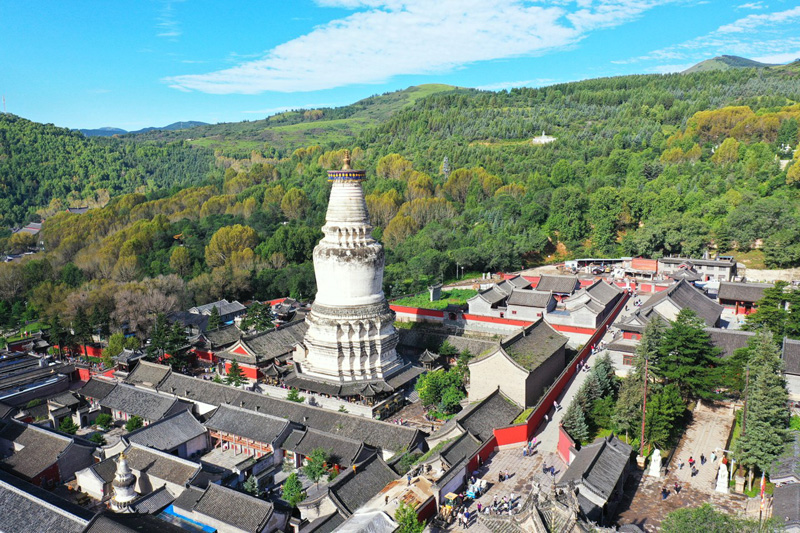
Historic Monuments of Dengfeng in "The Centre of Heaven and Earth":
Covering multiple ancient ritual, religious, and educational buildings, witnessing the ancient Chinese worldview of "The Centre of Heaven and Earth."
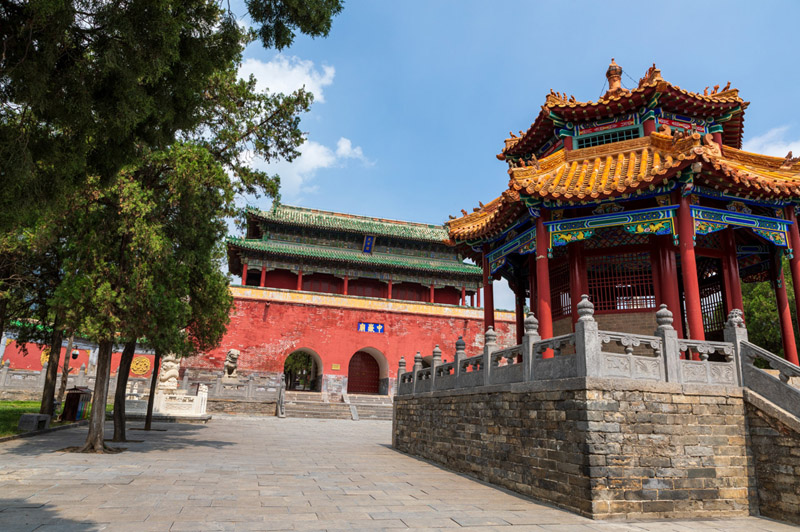
West Lake Cultural Landscape of Hangzhou:
Surrounded by mountains on three sides and facing the city on one side, the lake scenery and pavilions complement each other, accumulating a thousand years of Jiangnan cultural heritage.
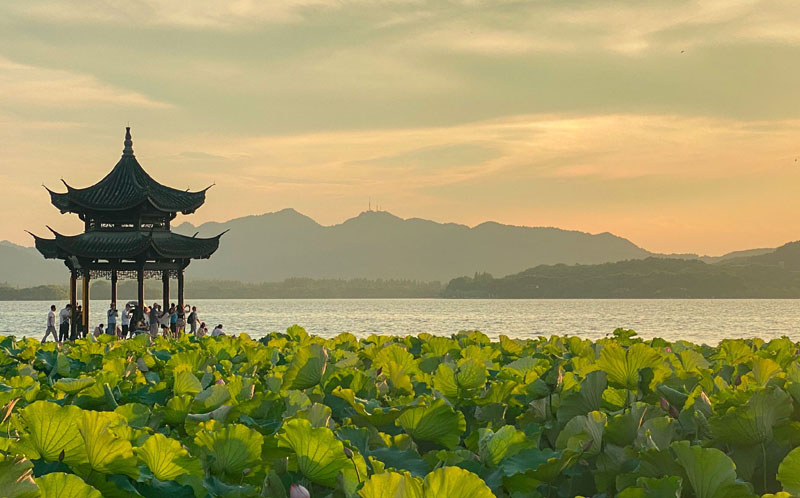
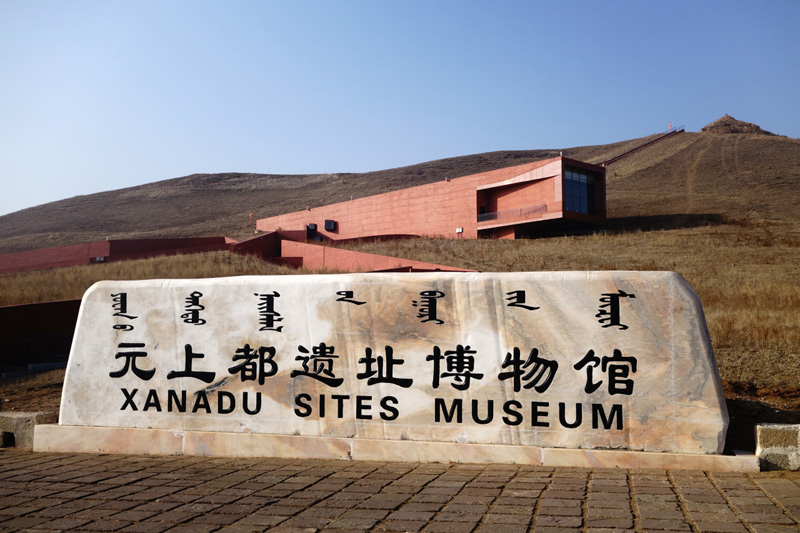
Site of Xanadu:
The site of the Yuan Dynasty capital, it is a witness to the integration of grassland civilization and Central Plains civilization, showing the planning and layout of the Yuan Dynasty capital.
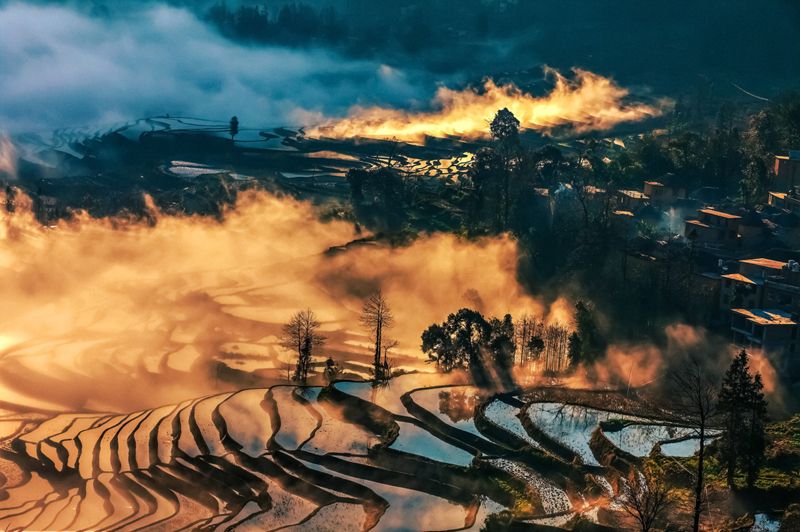
Cultural Landscape of Honghe Hani Rice Terraces:
The crystallization of generations of Hani people's labor, the terraces follow the mountain terrain, a model of harmonious coexistence between humans and nature in agriculture.
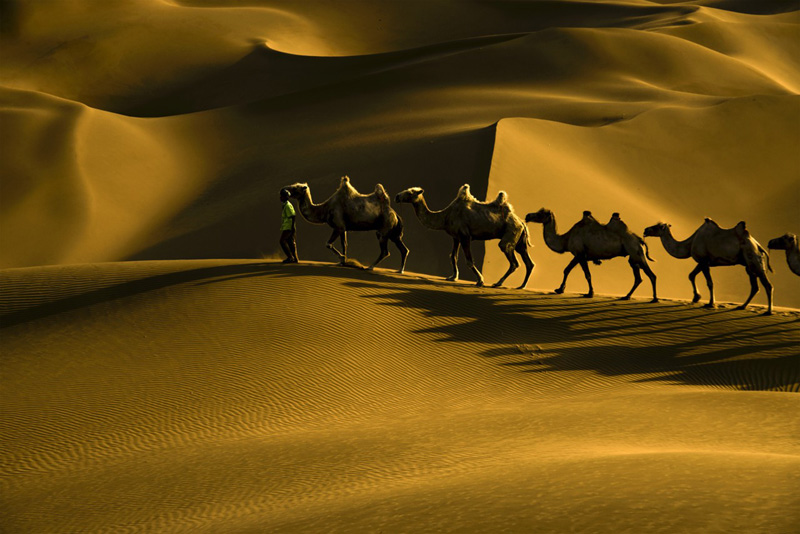
Silk Roads: the Routes Network of Chang'an-Tianshan Corridor:
A trade and cultural exchange route connecting Eastern and Western civilizations, witnessing thousands of years of mutual learning between civilizations.
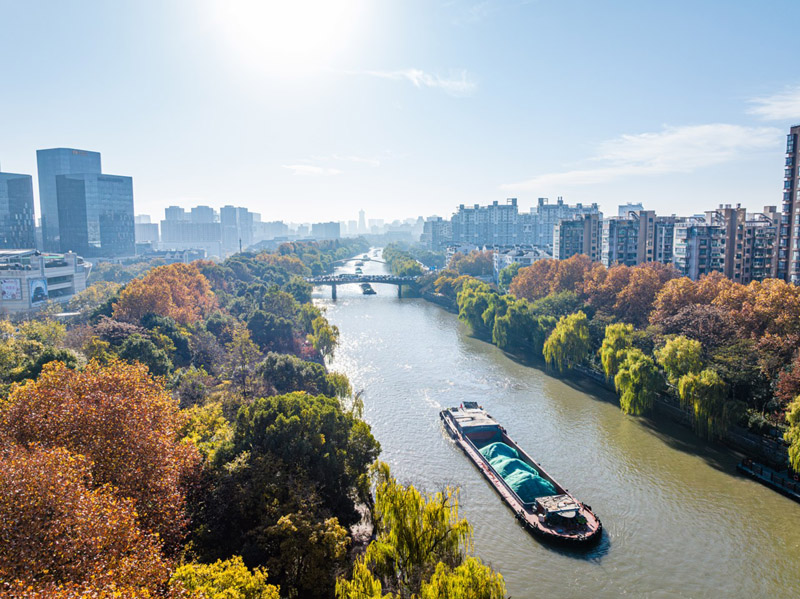
Grand Canal:
The world's longest artificial canal, spanning thousands of years of history, connecting north-south water systems, of far-reaching significance to China's economic and cultural exchanges.
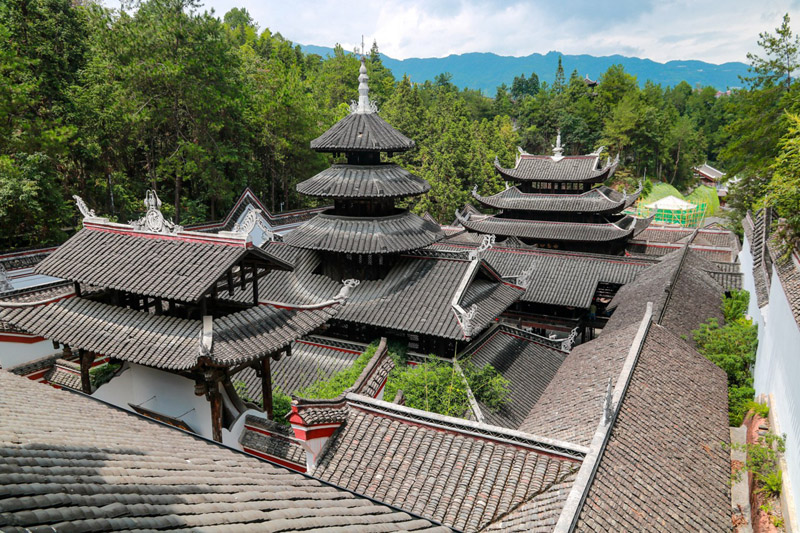
Tusi Sites:
Including the Tusi Cities of Yongshun in Hunan, Tangya in Hubei, and Bozhou in Guizhou, witnessing the rise and fall of China's ancient Tusi system and cultural inheritance.
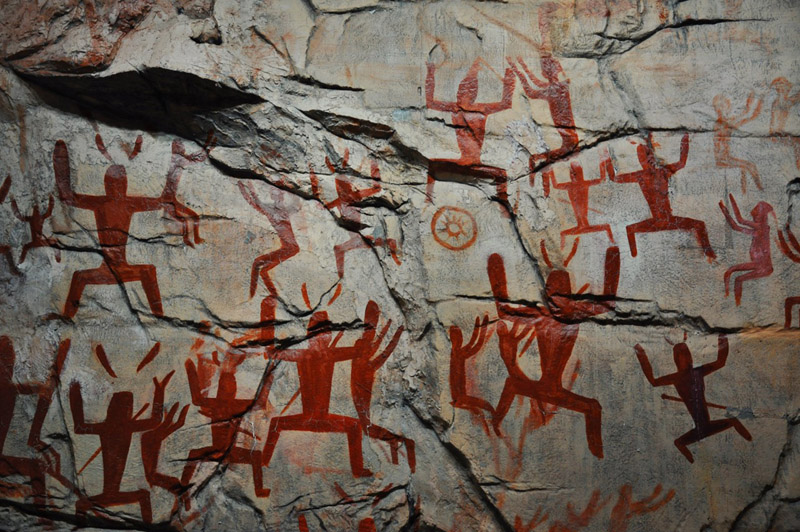
Zuojiang Huashan Rock Art Cultural Landscape:
A rock art group from the Warring States Period to the Eastern Han Dynasty, with red painted patterns of figures and artifacts, showing the ancient Luoyue culture.
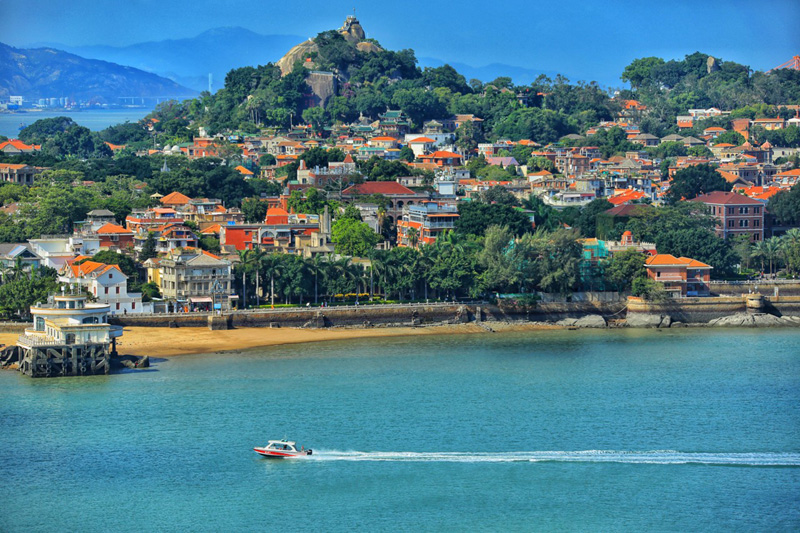
Kulangsu, a Historic International Settlement:
A historic international community integrating Chinese and Western architectural styles, witnessing modern China's foreign exchanges, full of unique humanistic charm.
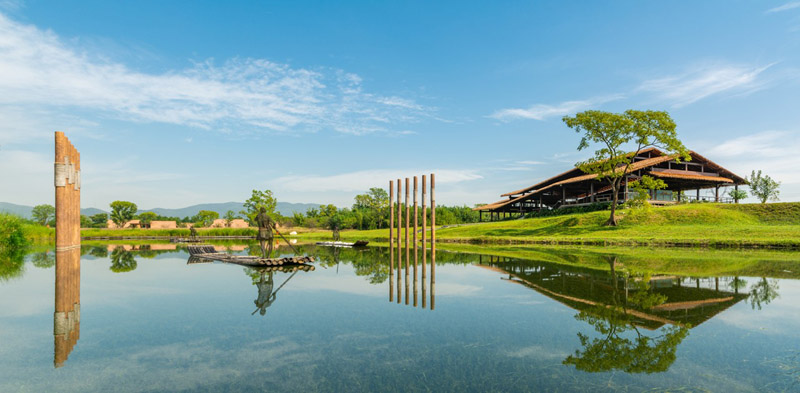
Archaeological Ruins of Liangzhu City:
A sacred site proving China's 5,000-year civilization history, the ancient city, water conservancy system, and jade relics show the early state form.
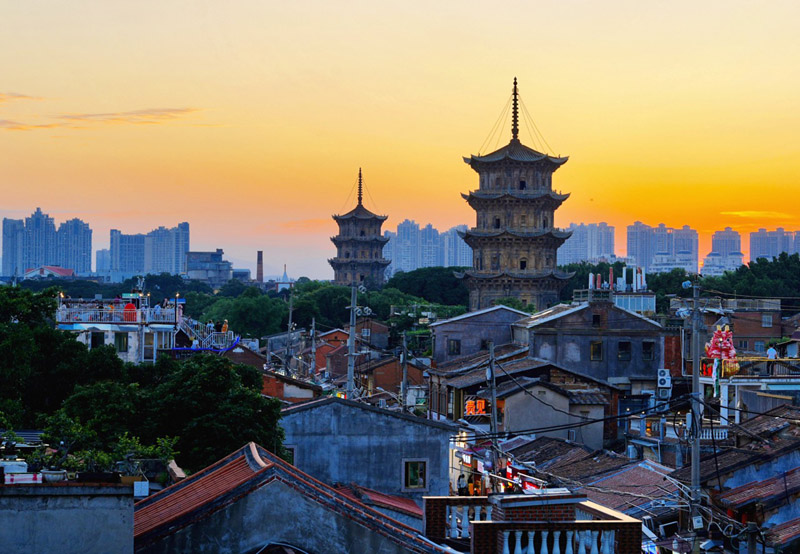
Quanzhou: Emporium of the World in Song-Yuan China:
Multiple relics witness Quanzhou's prosperity as an international port and cultural exchange during the Song and Yuan dynasties.
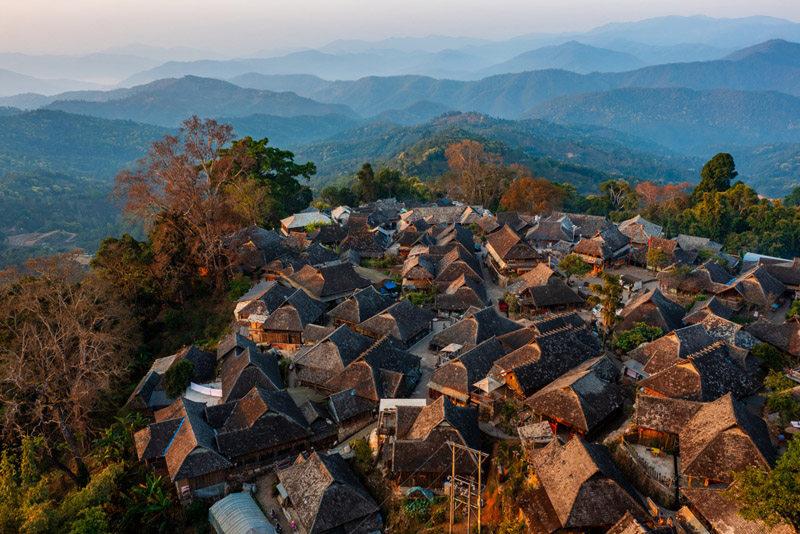
Cultural Landscape of Old Tea Forests of the Jingmai Mountain in Pu'er:
A thousand-year-old ancient tea forest coexisting with Dai and Blang ethnic villages, a living model of tea culture and ecological protection.
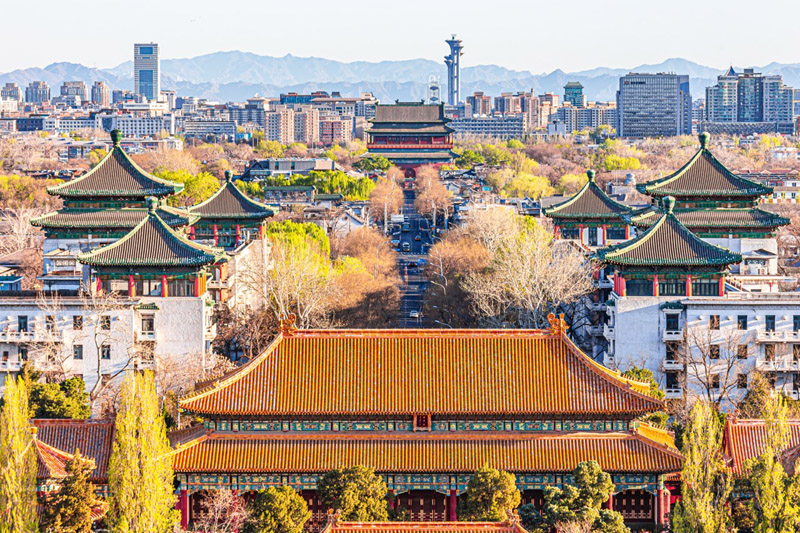
Central Axis of Beijing:
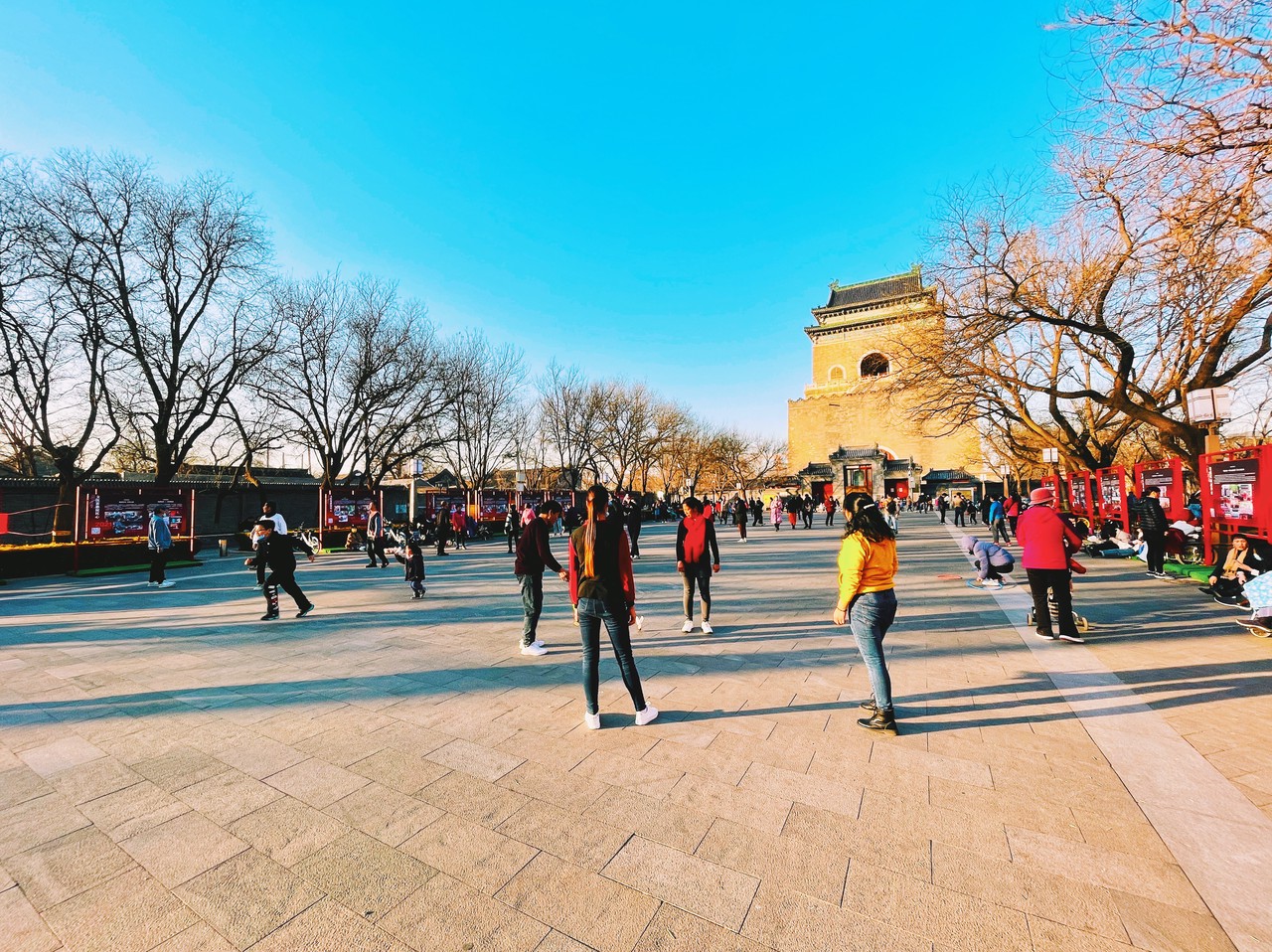
A masterpiece of China's ideal capital order, running through the old city of Beijing, the architectural sequence demonstrates the highest level of ancient capital planning.
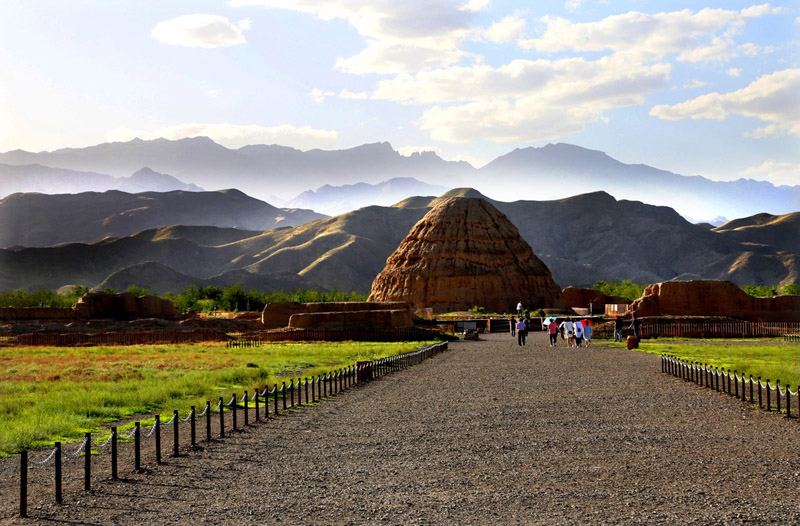
Xixia Tombs:
The imperial mausoleums of the Western Xia Dynasty, large-scale, are the core relics of Xixia culture, witnessing the history and architectural art of the Western Xia Dynasty.